I see her on the bus, now and then. She's a tall teenager with flawless skin and close-cropped hair. She doesn't look unfinished like most girls her age; she's already arrived at jaw-drop Beauty, but she doesn't know it or doesn't care.
"'Scuse me. 'Scuse me." She muscles her way toward the back of the bus, where her friends sit. It's crowded, and shoulders and bags and asses block her path. "'Scuse me." Her voice notches up, booming down the aisle. "I won't say it again!"
People skitter out of her way while a woman at the front of the bus rolls her eyes heavenward and hisses between her teeth.
The girl sits like a queen among her subjects.
I find a seat of my own, closer to the front than usual. I can't see the kids, but I can hear them, a miniature universe of drama at the back of the bus. A couple of voices ride up and over everything else.
"You put your foot on my foot!"
"So what? Get over it, nigga."
"You do not have the right to put your foot on my foot."
I take out my earphones to listen, catching the eye of a woman standing in the aisle. We're both smiling, loving every word, when the woman sitting to my right bursts out:
"These kids!"
The woman to my left takes it up:
"I hate this bus!"
Woman to my right:
"They don't do anything about it! There's no security people here to...deal with them!"
Security? I look over at her. Is she serious?
Her mouth is drawn together into a sticky pink fist, her jowls quivering with indignation.
I almost reply, Jesus, they're teenagers and they're loud, get over it, but I see this woman is more than angry. She's terrified. They're young and loud and a thousand times stronger than her. They can't imagine the day they'll be as old as her.
Someday, she will slip quietly out of the world, and they will go on being loud and crude and young - she can see it all, mascara clumped on her lower lashes, hands gripping her purse, tendons pulled taut - she can see them dancing on her grave.
Sunday, June 04, 2006


Tuesday, May 30, 2006
No gum chewing in courtroom
I stand in line for the courthouse, dark brown boy in front of me, menacing expression trying to cover up the braces glinting out from between his lips. His puffy coat squeaks as he moves. Behind me stands a woman, 6'8" if she's a foot. Elegant long clothes, turban, shining earrings, blue-black skin. She moves like an underwater creature, slow and graceful, granting every gesture the blessing of ceremony. High sharp cheekbones, almond eyes.
The guard at the metal detector is younger than me, smiling apologetically as he rifles through my purse. I'm reassembling bag and purse when the woman behind me sets off the detector.
"Is it my earrings?" she asks. Her voice is baritone, deeper than the guard's, and for the first time I notice an adam's apple. Suddenly, I love her even more.
I have high hopes for jury duty, filing expectantly into the jury waiting room. I'm happy to wait, and look at my fellow jurors. They try criminal cases in this building. I'm dazzled at the thought of years of material, coiled behind one of the courtroom doors.
There are signs posted on some of those doors. "No iPods." "No reading newspapers." "No gum chewing in courtroom."
Jurors become strangely still, waiting to be called. They are individuals outside, but here they disappear, becoming Citizens.
Finally called into a courtroom, rising as one for the Judge. He promises an exciting case, criminal. "Nobody'll be falling asleep for this one!"
Then we're dismissed to return the next day.
Day two, everybody looks the same. Faces blank, waiting. This Judge posts his rules inside the courtroom.
"No!!!reading
"No!!!listening to music
"No!!!talking
"No!!!chewing gum."
We aren't asked to rise when the Judge enters, this time. I wonder if the clerk knows he's back there. But then he starts to speak, his words illustrated by the sign language translator in front. She widens her eyes, her translation a performance, a dance.
"Some machinations have been going on," begins the Judge, "the case won't be going to trial today. So that's it, you're all dismissed."
Is that it? I wonder, people filing out of the courtroom around me, Is that all there is?
The guard at the metal detector is younger than me, smiling apologetically as he rifles through my purse. I'm reassembling bag and purse when the woman behind me sets off the detector.
"Is it my earrings?" she asks. Her voice is baritone, deeper than the guard's, and for the first time I notice an adam's apple. Suddenly, I love her even more.
I have high hopes for jury duty, filing expectantly into the jury waiting room. I'm happy to wait, and look at my fellow jurors. They try criminal cases in this building. I'm dazzled at the thought of years of material, coiled behind one of the courtroom doors.
There are signs posted on some of those doors. "No iPods." "No reading newspapers." "No gum chewing in courtroom."
Jurors become strangely still, waiting to be called. They are individuals outside, but here they disappear, becoming Citizens.
Finally called into a courtroom, rising as one for the Judge. He promises an exciting case, criminal. "Nobody'll be falling asleep for this one!"
Then we're dismissed to return the next day.
Day two, everybody looks the same. Faces blank, waiting. This Judge posts his rules inside the courtroom.
"No!!!reading
"No!!!listening to music
"No!!!talking
"No!!!chewing gum."
We aren't asked to rise when the Judge enters, this time. I wonder if the clerk knows he's back there. But then he starts to speak, his words illustrated by the sign language translator in front. She widens her eyes, her translation a performance, a dance.
"Some machinations have been going on," begins the Judge, "the case won't be going to trial today. So that's it, you're all dismissed."
Is that it? I wonder, people filing out of the courtroom around me, Is that all there is?
Friday, May 19, 2006
Catfish
Scratch fiction topic courtesy of my boss. No, really.
Fredo slid the fish onto the pan, clash and sizzle, smoke rising to the kitchen ceiling.
"Only way to do catfish, man. Breading's my own recipe."
"Didn't know you cooked," said Barney, popping the top on another beer, slurping the foam that bubbled up from the lip, then sucking the ends of his moustache.
"Catfish ain't 'cooking,' it's just eating what you caught, man." Fredo plopped a plate in front of Barney, steaming fish lying across it like a body in the street.
"How'm I supposed to eat this?"
"With a fork, dumbass." Fredo had a tea towel over one shoulder, moving around the kitchen, slamming drawers and rattling spoons.
Barney'd never seen him like this. Normally Fredo moved slow and quiet, eyes half-lidded, answering questions in his own sweet time. But ever since this afternoon, since they were taking shots at the target out back of the cabin, Barney able to hit the bullseye at 300 yards with his Dad's old shotgun, God only knew where Fredo's shots went, but they sure as hell weren't going into the target.
"You having any?" Barney asked.
Fredo just kept shuffling things around in the kitchen and didn't answer, Jesus, he was as bad as Barney's wife, what bit him in the ass, thought Barney, before tucking in, the fish hot as a furnace, but the breading was heaven, grease running off onto the cracked plate. Barney got going, it was amazing, he'd never had fish like this before, just kept shoving it in and shoving it in until he felt something sharp hit the back of his throat.
Barney couldn't breathe. He looked up at Fredo, but he couldn't even get out enough air to make a sound, he felt heat building up behind his eyes, and finally Fredo looked around from where he was standing at the sink, Fredo saw him, Fredo would give him the heimlich or something, Fredo could fix it.
But Fredo had slowed down again, eyes lidding down, smile creeping up his face.
"Watch out for the bones, Sharpshooter," said Fredo.
Fredo slid the fish onto the pan, clash and sizzle, smoke rising to the kitchen ceiling.
"Only way to do catfish, man. Breading's my own recipe."
"Didn't know you cooked," said Barney, popping the top on another beer, slurping the foam that bubbled up from the lip, then sucking the ends of his moustache.
"Catfish ain't 'cooking,' it's just eating what you caught, man." Fredo plopped a plate in front of Barney, steaming fish lying across it like a body in the street.
"How'm I supposed to eat this?"
"With a fork, dumbass." Fredo had a tea towel over one shoulder, moving around the kitchen, slamming drawers and rattling spoons.
Barney'd never seen him like this. Normally Fredo moved slow and quiet, eyes half-lidded, answering questions in his own sweet time. But ever since this afternoon, since they were taking shots at the target out back of the cabin, Barney able to hit the bullseye at 300 yards with his Dad's old shotgun, God only knew where Fredo's shots went, but they sure as hell weren't going into the target.
"You having any?" Barney asked.
Fredo just kept shuffling things around in the kitchen and didn't answer, Jesus, he was as bad as Barney's wife, what bit him in the ass, thought Barney, before tucking in, the fish hot as a furnace, but the breading was heaven, grease running off onto the cracked plate. Barney got going, it was amazing, he'd never had fish like this before, just kept shoving it in and shoving it in until he felt something sharp hit the back of his throat.
Barney couldn't breathe. He looked up at Fredo, but he couldn't even get out enough air to make a sound, he felt heat building up behind his eyes, and finally Fredo looked around from where he was standing at the sink, Fredo saw him, Fredo would give him the heimlich or something, Fredo could fix it.
But Fredo had slowed down again, eyes lidding down, smile creeping up his face.
"Watch out for the bones, Sharpshooter," said Fredo.
Tuesday, May 16, 2006
White hands
Scratch fiction topic tag: Frank
He looked an upright man. Frank fastened his collar, trying a smile in the mirror. Not the slow smile he wore at at night, walking softly into the woods, down past the Stankas farm, looking out for the glow of her white skin against the tree trunks. This was the smile of a young Bible scholar, a public smile, wise and open.
Frank looped his tie over, mouthing his speech silently into the mirror. People would stop on the street to listen, he was sure. He levelled his own gaze at his reflection: he had it just right, a perfect note of friendly compulsion.
Frank stood on the street corner, elevated on an apple crate, Bible in one hand. The workday ending, buildings vomiting out their collection of lost and broken humans. Frank raised the hand holding the Good Book, and opened his mouth to speak.
Years later, people would remember that day. A secretary told her daughter how his hair shone in the dying sunlight, how his face seemed lit from inside. She was late getting home, but she had to stop, as though she had lost the reins of her own body, slowly her head turned to listen. A banker gave up his job that day and became a minister, for the rest of his life telling his flock about the man holding the Bible above his head, how his words burned to the center of the banker's soul, reducing his former life to ashes in an instant. The janitor on his way to clean the school felt the young man's voice pull away all of his artifice; he stood naked at the feet of the man on the apple crate, his sins exposed. Naked, the janitor moved closer to the the man, warming himself in the flame of righteousness.
It was dark when Frank got home, apple crate in one hand, Bible in the other. He felt light and empty as a toy balloon. He would tell her everything, how hundreds of faces turned up to drink him in, how a streetful of strangers worshipped at his feet.
Frank slipped past the tree with the rope swing, the corn house, the barn, trailing his hand across the rough stones of the wall bordering the Stankas farm. The blueberries were ripe, hanging heavy over the wall; Frank took a handful to offer her.
He saw her through the trees, white hands moving in the dark, white neck bent, she danced to music he couldn't hear, dark hair falling across her face. She stopped at the sound of his step, shoe scraping over stone. Her black eyes pinned him where he stood.
Frank opened his mouth to tell of his triumph, to tell the beginning of great things, all of it was there, waiting, behind his breath, but though his news built and pushed, out of his open mouth came nothing.
She smiled at him, the only smile she had.
She reached out her hand and opened his, the blueberries staining his palm. With one more look up at Frank, eyes shining like black stars, she leaned over his hand, taking the blueberries into her mouth, her lips soft against his palm, breath hot, her tongue traveling his lifeline.
Frank shuddered, his mouth opening, he looked up at the trees stretching above him, moving against black sky.
The blueberries gone, all traces lapped up, still she didn't stop, she opened her mouth wider than the world, and bit.
She straightened up at last, white hands pushing back her hair, licking her lips.
The next evening, a thousand people pushed against each other on the street corner where Frank had preached the day before, all of them speaking of the man on the apple crate, Bible in hand. An hour passed, two; dinners burned and wives looked anxiously through curtains for husbands who were never so late. As the earth slowly turned its face toward night, the crowd dispersed, whispering sadly to each other as though they were leaving a funeral.
The last of the hopeful finally bending their steps toward home, a young boy caught something out of the corner of his eye. He reached for his father's sleeve, to tell him the man had shown at last, but it was only a woman, white hands brushing dark hair from her face.
He looked an upright man. Frank fastened his collar, trying a smile in the mirror. Not the slow smile he wore at at night, walking softly into the woods, down past the Stankas farm, looking out for the glow of her white skin against the tree trunks. This was the smile of a young Bible scholar, a public smile, wise and open.
Frank looped his tie over, mouthing his speech silently into the mirror. People would stop on the street to listen, he was sure. He levelled his own gaze at his reflection: he had it just right, a perfect note of friendly compulsion.
Frank stood on the street corner, elevated on an apple crate, Bible in one hand. The workday ending, buildings vomiting out their collection of lost and broken humans. Frank raised the hand holding the Good Book, and opened his mouth to speak.
Years later, people would remember that day. A secretary told her daughter how his hair shone in the dying sunlight, how his face seemed lit from inside. She was late getting home, but she had to stop, as though she had lost the reins of her own body, slowly her head turned to listen. A banker gave up his job that day and became a minister, for the rest of his life telling his flock about the man holding the Bible above his head, how his words burned to the center of the banker's soul, reducing his former life to ashes in an instant. The janitor on his way to clean the school felt the young man's voice pull away all of his artifice; he stood naked at the feet of the man on the apple crate, his sins exposed. Naked, the janitor moved closer to the the man, warming himself in the flame of righteousness.
It was dark when Frank got home, apple crate in one hand, Bible in the other. He felt light and empty as a toy balloon. He would tell her everything, how hundreds of faces turned up to drink him in, how a streetful of strangers worshipped at his feet.
Frank slipped past the tree with the rope swing, the corn house, the barn, trailing his hand across the rough stones of the wall bordering the Stankas farm. The blueberries were ripe, hanging heavy over the wall; Frank took a handful to offer her.
He saw her through the trees, white hands moving in the dark, white neck bent, she danced to music he couldn't hear, dark hair falling across her face. She stopped at the sound of his step, shoe scraping over stone. Her black eyes pinned him where he stood.
Frank opened his mouth to tell of his triumph, to tell the beginning of great things, all of it was there, waiting, behind his breath, but though his news built and pushed, out of his open mouth came nothing.
She smiled at him, the only smile she had.
She reached out her hand and opened his, the blueberries staining his palm. With one more look up at Frank, eyes shining like black stars, she leaned over his hand, taking the blueberries into her mouth, her lips soft against his palm, breath hot, her tongue traveling his lifeline.
Frank shuddered, his mouth opening, he looked up at the trees stretching above him, moving against black sky.
The blueberries gone, all traces lapped up, still she didn't stop, she opened her mouth wider than the world, and bit.
She straightened up at last, white hands pushing back her hair, licking her lips.
The next evening, a thousand people pushed against each other on the street corner where Frank had preached the day before, all of them speaking of the man on the apple crate, Bible in hand. An hour passed, two; dinners burned and wives looked anxiously through curtains for husbands who were never so late. As the earth slowly turned its face toward night, the crowd dispersed, whispering sadly to each other as though they were leaving a funeral.
The last of the hopeful finally bending their steps toward home, a young boy caught something out of the corner of his eye. He reached for his father's sleeve, to tell him the man had shown at last, but it was only a woman, white hands brushing dark hair from her face.
Wednesday, May 03, 2006
The girls next door
I saw her writhing out of the BMW, a to-go box held like a tray of wine glasses in one hand. Shiny dark hair switching over her shoulders. She wore sweats that were only a thin gesture toward exercise wear; soft material draped over her curves, tiny top showing bellybutton, and, as she turned toward her front door, the word "juicy" arcing over her peachy ass.
They all drive BMWs, all prefer to park cockeyed in the driveway, all looking like dolls with interchangable heads: blond, brunette, auburn. It's impossible to tell how many of them share the basement apartment. It could be one, it could be fifteen, all crowded in together, fifteen pairs of mascaraed eyes blinking slowly open, closed.
There are boyfriends, too. I don't see seduction or handholding, but last month voices scratched up and down the street, hers accusing, his defending. I couldn't help peeking out my window, screened by the curtain, in time to see him stomping away from her door, and - as if with sudden inspiration - heaving her garbage can across the path, blocking her way.
Another night I was dragged from sleep by fighting. It might have been the same two; one or the other - or both - may have been different. The boyfriends as identical as the girls, vicious white boys in short hair and polo shirts. This time her voice whined between sobs, piping high above the empty road. His answer citing the eight hours of hard work he does every day, he doesn't need to come home to this.
Like the mute button was pushed, her sobbing stopped, cut off. I peeked through the blinds to see her white brow slowly grow furrows in the streetlight.
"But, what am I supposed to do?" she said at last, in a clear, matter-of-fact voice.
With that question, my dear, neither he, nor I - your eavesdropping neighbor - can help.
They all drive BMWs, all prefer to park cockeyed in the driveway, all looking like dolls with interchangable heads: blond, brunette, auburn. It's impossible to tell how many of them share the basement apartment. It could be one, it could be fifteen, all crowded in together, fifteen pairs of mascaraed eyes blinking slowly open, closed.
There are boyfriends, too. I don't see seduction or handholding, but last month voices scratched up and down the street, hers accusing, his defending. I couldn't help peeking out my window, screened by the curtain, in time to see him stomping away from her door, and - as if with sudden inspiration - heaving her garbage can across the path, blocking her way.
Another night I was dragged from sleep by fighting. It might have been the same two; one or the other - or both - may have been different. The boyfriends as identical as the girls, vicious white boys in short hair and polo shirts. This time her voice whined between sobs, piping high above the empty road. His answer citing the eight hours of hard work he does every day, he doesn't need to come home to this.
Like the mute button was pushed, her sobbing stopped, cut off. I peeked through the blinds to see her white brow slowly grow furrows in the streetlight.
"But, what am I supposed to do?" she said at last, in a clear, matter-of-fact voice.
With that question, my dear, neither he, nor I - your eavesdropping neighbor - can help.
Sunday, April 30, 2006
What to write when you have nothing to write
What do you write when your stomach is grinding out the words to "You're All Dried Up, You Never Had Anything Worthwhile to Say and Now Everybody Knows It"? What do you write when the cats are begging for attention, when your husband is wondering what the surly mood is all about, when the sun is shining outside and if you were a worthwhile human you'd just let it go, let it go and walk outside and take a look around?
What do you write when the soft spring air is moving in through the window, nudging up against you and whispering about a whole world just outside, about people in short sleeves walking at a Sunday pace through city streets, women swinging their hips in cotton dresses and men with toddlers riding high on their shoulders; a Chinese man on the train slipping one white foot out of his shoe, moving his hand over ropy veins and bunions; a boy with the sun shining off his perfect afro, bouncing lightly as he walks; a Japanese woman with her eyes focused just short of the paper in her lap, reading her own thoughts instead?
Maybe you close the computer and take a walk. Maybe today isn't the day for writing.
What do you write when the soft spring air is moving in through the window, nudging up against you and whispering about a whole world just outside, about people in short sleeves walking at a Sunday pace through city streets, women swinging their hips in cotton dresses and men with toddlers riding high on their shoulders; a Chinese man on the train slipping one white foot out of his shoe, moving his hand over ropy veins and bunions; a boy with the sun shining off his perfect afro, bouncing lightly as he walks; a Japanese woman with her eyes focused just short of the paper in her lap, reading her own thoughts instead?
Maybe you close the computer and take a walk. Maybe today isn't the day for writing.
Thursday, April 20, 2006
420 on Hippie Hill
I'm back at work now, but broken down and wispy long before close of business. I leave the office early this afternoon, climbing onto the bus in my post-surgical fog; still flattened and grim from pain pills and the last drams of anesthetic working its way out of my body.
I barely notice the lavish sunshine after weeks of rain.
My way onto the bus is impeded; the driver is arguing with an unseen passenger, the driver's braids clacking as she shakes her head:
"You gotta get rid of the cup. I'm not moving until you hand it up."
Other passengers are getting into the act, now, one calling up to the driver: "It's empty, the cup is empty. He just turned it over in his hand."
"I don't care, you gotta hand it up!"
A deep voice booms out from inside, "Let's get this bus moving! We gotta be there for 420 on Hippie Hill, 420 on Hippie Hill, children."
Finally I'm able to move in, navigating around a red toy wagon and the owner of the deep voice, a black man in his sixties, carrying a staff topped with tassels, raffia and plastic leis. He wears a tall felt hat; the brim is laced with rainbow colored fur, the underside turned up to show white stars on a blue background. The top, I see as I pass, is ringed with marijuana leaves. He carries an American flag and waves it at me.
"Happy Thursday," he says, with a big smile.
I can't help smiling back.
The other passengers finally convince the driver to Let it go already, and the bus is away. 420 Man's voice rolls through the bus, rising and falling. I can't tell if he's talking to someone he knows, or to the bus at large. Maybe it's a little of both.
"...if everyone smoked cannabis, it would heal the world...420 on Hippie Hill, children, everything good you can imagine...pot lasagna, pot and barbeque chicken, mm-mm!...that stuff comes from Mother Earth, it's all organic!...Mm, you can see the smoke from here!..."
A blonde guy is talking in German on his cell phone. A greyish looking kid, covered with tattoos, pulls his hood further down over his face. At least five passengers scattered around the bus are drinking forbidden coffee, munching sandwiches blithely.
420 Man goes on:
" Steroids, crack, meth amphetamines - where do they come from?"
Unexpectedly, a hipster chick in front of me answers him, "From men, made by men!"
"...and coca, cannabis?"
"...from Mother Earth," sings Hipster Girl.
"This is our stop," announces 420 Man, standing up & shaking his staff, "Happy Thursday! Happy Earth Day!"
I want to follow him out, go where he's going. I can see, down on the street, crowds of hippies wandering into the park.
On his way out, he stops to wink at those of us left behind:
"I want a greeeen house on my Brokeback Mountain!"
The bus doors close on his laugh.
I barely notice the lavish sunshine after weeks of rain.
My way onto the bus is impeded; the driver is arguing with an unseen passenger, the driver's braids clacking as she shakes her head:
"You gotta get rid of the cup. I'm not moving until you hand it up."
Other passengers are getting into the act, now, one calling up to the driver: "It's empty, the cup is empty. He just turned it over in his hand."
"I don't care, you gotta hand it up!"
A deep voice booms out from inside, "Let's get this bus moving! We gotta be there for 420 on Hippie Hill, 420 on Hippie Hill, children."
Finally I'm able to move in, navigating around a red toy wagon and the owner of the deep voice, a black man in his sixties, carrying a staff topped with tassels, raffia and plastic leis. He wears a tall felt hat; the brim is laced with rainbow colored fur, the underside turned up to show white stars on a blue background. The top, I see as I pass, is ringed with marijuana leaves. He carries an American flag and waves it at me.
"Happy Thursday," he says, with a big smile.
I can't help smiling back.
The other passengers finally convince the driver to Let it go already, and the bus is away. 420 Man's voice rolls through the bus, rising and falling. I can't tell if he's talking to someone he knows, or to the bus at large. Maybe it's a little of both.
"...if everyone smoked cannabis, it would heal the world...420 on Hippie Hill, children, everything good you can imagine...pot lasagna, pot and barbeque chicken, mm-mm!...that stuff comes from Mother Earth, it's all organic!...Mm, you can see the smoke from here!..."
A blonde guy is talking in German on his cell phone. A greyish looking kid, covered with tattoos, pulls his hood further down over his face. At least five passengers scattered around the bus are drinking forbidden coffee, munching sandwiches blithely.
420 Man goes on:
" Steroids, crack, meth amphetamines - where do they come from?"
Unexpectedly, a hipster chick in front of me answers him, "From men, made by men!"
"...and coca, cannabis?"
"...from Mother Earth," sings Hipster Girl.
"This is our stop," announces 420 Man, standing up & shaking his staff, "Happy Thursday! Happy Earth Day!"
I want to follow him out, go where he's going. I can see, down on the street, crowds of hippies wandering into the park.
On his way out, he stops to wink at those of us left behind:
"I want a greeeen house on my Brokeback Mountain!"
The bus doors close on his laugh.
Friday, April 14, 2006
Police blotter: nude elderly male
A South Buffalo Street caller reported a nude elderly man on a porch in the area
Lloyd couldn't find his wallet. No, he knew he'd left it right there on the coffee table, or maybe on the desk, on the kitchen counter, next to the bed. How could a person find anything, all these papers, all this stuff? Why do we have so much stuff? The mailman keeps bringing paper, slipping it in all innocent through that slot in the door, you hear it shuck in and its another layer of dirt on your grave, another thing, another piece of stuff, seventy-five years of stuff piling up, report cards from when he was eight years old, letters from his mother, bills, catalogs, instructions on how to use the microwave, the toaster, the can opener, seventy-five years of paper, enough to suffocate Lloyd enough to drown a city, and still it kept coming, still that sinister little snick of the paper slipping through the slot, the whole world is drowning in paper and tissue boxes and blankets and keychains with people's names on them and postcards from Hawaii.
Lloyd's hands moved over the papers, the photographs in frames, the band-aids, the tweezers, the reading glasses, it was enough, he was done with all of it. Seventy-five years was enough, too much, it all had to go. His hands locked down on a pile, magazines and Christmas cards and checkbooks; holding it to his chest, his breath coming faster, he pushed open the door, out into the light, and heaved all of it into the street.
No, that wasn't right. No, then he'd just shift it all to the street, to the outside world, and he'd still be in the box, the mail still snicking in every day, no, he had to get out, himself.
Lloyd left the door open, and walked out into the street.
Yes, this was better. The air breathed lightly on his cheek, springtime air. There were cherry blossoms on the tree across the street. His feet were hot in his shoes, so he unlaced them and stepped out, leaving them behind, then his socks, one at a time. He put his feet in the strip of grass between sidewalk and street and remembered the park where he played when he was a kid. Grass like this, soft in April, so green it almost hurt to look, walking along the sidewalk barefoot with his pal Harvey, ice cream dripping over the hand that held the cone, their shirts off, and Lloyd unbuttoned his shirt, letting it float gently to the ground, the breeze in his chest hair.
This was good, nothing else felt like this. His belt was next, then the pants, jingling heavy to the ground, keys in the pocket, boxer shorts last.
Nothing closing him in, now. Lloyd took in a deep breath, and smiled. Down the street was a big, deep porch, like he remembered from when he was a kid, the kind with a porch swing.
Lloyd sat down on the broad steps, cement cool against his skin, and settled back to watch the world go by.
Lloyd couldn't find his wallet. No, he knew he'd left it right there on the coffee table, or maybe on the desk, on the kitchen counter, next to the bed. How could a person find anything, all these papers, all this stuff? Why do we have so much stuff? The mailman keeps bringing paper, slipping it in all innocent through that slot in the door, you hear it shuck in and its another layer of dirt on your grave, another thing, another piece of stuff, seventy-five years of stuff piling up, report cards from when he was eight years old, letters from his mother, bills, catalogs, instructions on how to use the microwave, the toaster, the can opener, seventy-five years of paper, enough to suffocate Lloyd enough to drown a city, and still it kept coming, still that sinister little snick of the paper slipping through the slot, the whole world is drowning in paper and tissue boxes and blankets and keychains with people's names on them and postcards from Hawaii.
Lloyd's hands moved over the papers, the photographs in frames, the band-aids, the tweezers, the reading glasses, it was enough, he was done with all of it. Seventy-five years was enough, too much, it all had to go. His hands locked down on a pile, magazines and Christmas cards and checkbooks; holding it to his chest, his breath coming faster, he pushed open the door, out into the light, and heaved all of it into the street.
No, that wasn't right. No, then he'd just shift it all to the street, to the outside world, and he'd still be in the box, the mail still snicking in every day, no, he had to get out, himself.
Lloyd left the door open, and walked out into the street.
Yes, this was better. The air breathed lightly on his cheek, springtime air. There were cherry blossoms on the tree across the street. His feet were hot in his shoes, so he unlaced them and stepped out, leaving them behind, then his socks, one at a time. He put his feet in the strip of grass between sidewalk and street and remembered the park where he played when he was a kid. Grass like this, soft in April, so green it almost hurt to look, walking along the sidewalk barefoot with his pal Harvey, ice cream dripping over the hand that held the cone, their shirts off, and Lloyd unbuttoned his shirt, letting it float gently to the ground, the breeze in his chest hair.
This was good, nothing else felt like this. His belt was next, then the pants, jingling heavy to the ground, keys in the pocket, boxer shorts last.
Nothing closing him in, now. Lloyd took in a deep breath, and smiled. Down the street was a big, deep porch, like he remembered from when he was a kid, the kind with a porch swing.
Lloyd sat down on the broad steps, cement cool against his skin, and settled back to watch the world go by.
Monday, April 10, 2006
Saturday, April 08, 2006
A movable monkey
This tag is a rich vein - I'm gonna have to mine it again and again. Starting off with an easy one:
A Genesee Street business employee requested a
premise check after she reported she placed a stuffed
bear on the bar and now it was on a shelf. She thought
someone might have been in the building.
It's almost poetry, all by itself.
It wasn't where she put it. The monkey, the monkey, she'd put the monkey on the bar, right? It was like this, what do they call it, tableau, thing. You know, the monkey with the bottles, like it'd been drinking, right? It was supposed to be funny. So she hadn't just forgotten, like the cop was implying.
Grace didn't "forget" things like that, anyway. She'd put it on the bar. Now it was on the shelf. Someone was there, someone had been there, this cop didn't know what he was talking about, raising his eyebrows at his partner when he thought Grace wasn't looking. Like she was another nutcase.
The lights from the car moved across the wall, lighting up the monkey's face, blue, red, blue, red.
Grace rubbed her hands together and asked the cops if they needed anything else. They'd checked everything: windows closed and locked, back door locked. Nobody had been in here, they said. She watched them down the driveway, talking to each other, laughing, doors swinging shut on the patrol car. They pulled away, headlights scraping over the room.
Nobody had been here, they'd said, but someone had moved the monkey. Stupid, creepy thing to do anyway. Nothing taken, nothing trashed, nothing else touched. But the monkey was moved.
And now the cops were gone, Grace was alone with it.
A Genesee Street business employee requested a
premise check after she reported she placed a stuffed
bear on the bar and now it was on a shelf. She thought
someone might have been in the building.
It's almost poetry, all by itself.
It wasn't where she put it. The monkey, the monkey, she'd put the monkey on the bar, right? It was like this, what do they call it, tableau, thing. You know, the monkey with the bottles, like it'd been drinking, right? It was supposed to be funny. So she hadn't just forgotten, like the cop was implying.
Grace didn't "forget" things like that, anyway. She'd put it on the bar. Now it was on the shelf. Someone was there, someone had been there, this cop didn't know what he was talking about, raising his eyebrows at his partner when he thought Grace wasn't looking. Like she was another nutcase.
The lights from the car moved across the wall, lighting up the monkey's face, blue, red, blue, red.
Grace rubbed her hands together and asked the cops if they needed anything else. They'd checked everything: windows closed and locked, back door locked. Nobody had been in here, they said. She watched them down the driveway, talking to each other, laughing, doors swinging shut on the patrol car. They pulled away, headlights scraping over the room.
Nobody had been here, they'd said, but someone had moved the monkey. Stupid, creepy thing to do anyway. Nothing taken, nothing trashed, nothing else touched. But the monkey was moved.
And now the cops were gone, Grace was alone with it.
I don't wear dentures
"Do you have any dentures, false teeth, metal in your mouth?"
"Just my fillings," I open my mouth, to show her.
The nurse nods, and leaves the room.
"Myer, right?" I hear bellowed from down the hall. An enormous white guy in a walrus moustache and balloon cap covered with cute little cartoons rolls into the tiny room.
His voice fills the room, bounces down the hall, blows up the curtains on other rooms along the way.
"Born in '68, huh?"
I nod.
"I was in Southeast Asia then. Getting shot at. Bombs dropped on me." He's looking at my chart. "Have any dentures, false teeth?"
Nope.
"You digging this rain? 'Course, they don't have rain here, not really. I'm from Texas. If it's raining in Texas and you're under an overpass, you stop the car and get out of it, else you're gonna drown."
He's leading me and Mr. Billy to the operating room, telling a story of a rainstorm in New Mexico. At the door, he stops and tells Mr. Billy how to get to the waiting room.
"Now say goodbye, kiss kiss."
I kiss Mr. Billy, and he squeezes my hand.
"You're from Utah, huh?" The giant vet in the cartoony headgear leads me to an inner waiting room, stopping to put a blue hat like his over my hair. "I knew a girl from Utah. Mormon. Everyone was trying to score with her. Me, I was just friends with her. We went hiking once, and she looked me over, guessed my size. Next thing I know I get a package in the mail, she's knit me a sweater. Fit perfectly. I showed it to all the guys, Ha, I said, you didn't get anywhere with her, but she knit me a sweater. This is where you get off."
He waves his hand at a chair, and disappears through the doors.
"Do you have any dentures?" A nurse in another blue mushroom hat asks. I shake my head. Another nurse comes in. "Are you my replacement?" asks the first. The second nods, and the first hands over my chart. "I just started the interview."
"Do you wear dentures?" the second nurse asks.
The anesthesiologist comes in, asks if I wear dentures. Tells me about the anesthetic. "You might wake up with a sore throat," he says, "from the breathing tube."
A resident, assisting the surgeon, sits down across from me. "Any dentures?" He went to med school with a friend of mine. He's young, but says he's been in residency six years.
Another nurse asks if I wear dentures. "What procedure are we doing today?"
"Exploratory laparoscopy," I say, "to begin with. He might open me up further, depending what he finds."
"Laparoscopy?" she looks up at me, "Are you sure?"
"Um, yeah."
She confers with another nurse. "It says laparotomy here. You'd better get down there and straighten this out."
There's a big difference, I think, between laparotomy and laparoscopy. At least I don't have dentures.
"Just my fillings," I open my mouth, to show her.
The nurse nods, and leaves the room.
"Myer, right?" I hear bellowed from down the hall. An enormous white guy in a walrus moustache and balloon cap covered with cute little cartoons rolls into the tiny room.
His voice fills the room, bounces down the hall, blows up the curtains on other rooms along the way.
"Born in '68, huh?"
I nod.
"I was in Southeast Asia then. Getting shot at. Bombs dropped on me." He's looking at my chart. "Have any dentures, false teeth?"
Nope.
"You digging this rain? 'Course, they don't have rain here, not really. I'm from Texas. If it's raining in Texas and you're under an overpass, you stop the car and get out of it, else you're gonna drown."
He's leading me and Mr. Billy to the operating room, telling a story of a rainstorm in New Mexico. At the door, he stops and tells Mr. Billy how to get to the waiting room.
"Now say goodbye, kiss kiss."
I kiss Mr. Billy, and he squeezes my hand.
"You're from Utah, huh?" The giant vet in the cartoony headgear leads me to an inner waiting room, stopping to put a blue hat like his over my hair. "I knew a girl from Utah. Mormon. Everyone was trying to score with her. Me, I was just friends with her. We went hiking once, and she looked me over, guessed my size. Next thing I know I get a package in the mail, she's knit me a sweater. Fit perfectly. I showed it to all the guys, Ha, I said, you didn't get anywhere with her, but she knit me a sweater. This is where you get off."
He waves his hand at a chair, and disappears through the doors.
"Do you have any dentures?" A nurse in another blue mushroom hat asks. I shake my head. Another nurse comes in. "Are you my replacement?" asks the first. The second nods, and the first hands over my chart. "I just started the interview."
"Do you wear dentures?" the second nurse asks.
The anesthesiologist comes in, asks if I wear dentures. Tells me about the anesthetic. "You might wake up with a sore throat," he says, "from the breathing tube."
A resident, assisting the surgeon, sits down across from me. "Any dentures?" He went to med school with a friend of mine. He's young, but says he's been in residency six years.
Another nurse asks if I wear dentures. "What procedure are we doing today?"
"Exploratory laparoscopy," I say, "to begin with. He might open me up further, depending what he finds."
"Laparoscopy?" she looks up at me, "Are you sure?"
"Um, yeah."
She confers with another nurse. "It says laparotomy here. You'd better get down there and straighten this out."
There's a big difference, I think, between laparotomy and laparoscopy. At least I don't have dentures.
Thursday, April 06, 2006
Fast
The meat suit's been acting up again. Today the surgeon opens me up for a look. I'm considering asking him to install a zipper in place of stitches.
In preparation, yesterday was a diet of clear liquids, today a diet of air and nothing else, not even water, not even my own spit. Under normal circumstances, I am what is called a "good eater." I do not skip meals. If breakfast is - for some horrible reason - missed, I become surly and stupid. I misplace things, like my pants, or my right hand.
But I grew up in a religion with a strong tradition of fasting. On the first Sunday of every month, we fasted for two meals and gave the money we would have spent on them to the poor. This seems a noble thing, and for a long time after I stopped going to church, I kept up the practice.
Sometime in the last twenty years, however, I stopped.
It was also common, in the religion of my youth, to fast for inspiration, something shared with spiritual traditions around the world. I had vague hopes of some form of secular inspiration today, but nothing doing. My head hurts, and I'm hungry.
I guess that religious background makes me want something more from this experience than the gurgling of my stomach. More than once, I thought about the vast numbers of people who feel like this almost every day.
Mostly, though, I want to eat.
In preparation, yesterday was a diet of clear liquids, today a diet of air and nothing else, not even water, not even my own spit. Under normal circumstances, I am what is called a "good eater." I do not skip meals. If breakfast is - for some horrible reason - missed, I become surly and stupid. I misplace things, like my pants, or my right hand.
But I grew up in a religion with a strong tradition of fasting. On the first Sunday of every month, we fasted for two meals and gave the money we would have spent on them to the poor. This seems a noble thing, and for a long time after I stopped going to church, I kept up the practice.
Sometime in the last twenty years, however, I stopped.
It was also common, in the religion of my youth, to fast for inspiration, something shared with spiritual traditions around the world. I had vague hopes of some form of secular inspiration today, but nothing doing. My head hurts, and I'm hungry.
I guess that religious background makes me want something more from this experience than the gurgling of my stomach. More than once, I thought about the vast numbers of people who feel like this almost every day.
Mostly, though, I want to eat.
Monday, March 27, 2006
The day I lost it
Scratch fiction tag courtesy of monkey0: chastity.
"I remember everything," Raye said, running one hand through her hair, ashing her cigarette before bringing it to her lips, "It was in my Vocational Ed class. Yeah, it was bad enough that we went to the public schools. This was before homeschooling was all the rage. It was easy then to get too much attention from the Feds, so, you know, we did what we had to.
"So, Voc Ed. They'd have people from the community come and give little presentations to the class, you know, This is what it's like to run a dry cleaner, or an auto shop, or punch the keys on a cash register, and this day, they had a hairdresser.
"It was weird anyway, they brought in a guy hairdresser, and he was Puerto Rican, how many of those do you see around here, huh? His name was Alfredo or Alberto, something like that, little guy. I was in the back of the class, like usual, you know, the only people I hung out with at school were my sisters, we were all freaks together in our long sleeves and skirts down to our ankles. Our hair in long braids down our backs."
Raye peeled away a piece of tobacco that had stuck to her lower lip, cig in her first two fingers, she pulled it away delicately with thumb and third finger.
"He said he was going to demonstrate a haircut, and he wanted a model.
"Mother said I'd heard the Devil speaking in my ear, old Satan himself, perched on my shoulder, his long tongue reaching into my ear, hot breath against my cheek, Satan seduced me, velvety voice purring, 'Raise your hand, Rachel,' she screamed I was the Devil's whore now, the last words she ever said to me, and my father pushed me out onto the dirt, not even a change of underwear or a piece of bread, he shut the door blank in my face - but I never heard a voice.
"I felt a heat, rather, starting right between my legs, and running all the way up inside me. My face must have been as red as a stop sign, but I couldn't stop my hand going up.
"I sat down in the chair, in front of the whole class, and I felt his hands slide in under my hair, I heard him coo over it, purring like he was a cat, his fingers deep in my hair, pulling through it. I'd never been touched by a man not my father before. My mother or one of the sister wives braided my hair every morning, and the touch of his hands sent shocks all the way to the center of me.
"'Put your head down, Sweetie,' his voice poured into my ear like maple syrup, if I ever heard the Devil's voice, it was Alberto's, soft and smooth as anything. I felt the cold metal of the scissors against my neck, felt them bite down, my hair sliding heavy to the floor.
"What's that? -No," Raye shook her head, stabbing out her cig. She rattled the ice in her glass at the waitress passing by, "No, of course not. He was gay, obviously. No, he cut my hair, that's all.
"But don't you understand? That was all it took."
"I remember everything," Raye said, running one hand through her hair, ashing her cigarette before bringing it to her lips, "It was in my Vocational Ed class. Yeah, it was bad enough that we went to the public schools. This was before homeschooling was all the rage. It was easy then to get too much attention from the Feds, so, you know, we did what we had to.
"So, Voc Ed. They'd have people from the community come and give little presentations to the class, you know, This is what it's like to run a dry cleaner, or an auto shop, or punch the keys on a cash register, and this day, they had a hairdresser.
"It was weird anyway, they brought in a guy hairdresser, and he was Puerto Rican, how many of those do you see around here, huh? His name was Alfredo or Alberto, something like that, little guy. I was in the back of the class, like usual, you know, the only people I hung out with at school were my sisters, we were all freaks together in our long sleeves and skirts down to our ankles. Our hair in long braids down our backs."
Raye peeled away a piece of tobacco that had stuck to her lower lip, cig in her first two fingers, she pulled it away delicately with thumb and third finger.
"He said he was going to demonstrate a haircut, and he wanted a model.
"Mother said I'd heard the Devil speaking in my ear, old Satan himself, perched on my shoulder, his long tongue reaching into my ear, hot breath against my cheek, Satan seduced me, velvety voice purring, 'Raise your hand, Rachel,' she screamed I was the Devil's whore now, the last words she ever said to me, and my father pushed me out onto the dirt, not even a change of underwear or a piece of bread, he shut the door blank in my face - but I never heard a voice.
"I felt a heat, rather, starting right between my legs, and running all the way up inside me. My face must have been as red as a stop sign, but I couldn't stop my hand going up.
"I sat down in the chair, in front of the whole class, and I felt his hands slide in under my hair, I heard him coo over it, purring like he was a cat, his fingers deep in my hair, pulling through it. I'd never been touched by a man not my father before. My mother or one of the sister wives braided my hair every morning, and the touch of his hands sent shocks all the way to the center of me.
"'Put your head down, Sweetie,' his voice poured into my ear like maple syrup, if I ever heard the Devil's voice, it was Alberto's, soft and smooth as anything. I felt the cold metal of the scissors against my neck, felt them bite down, my hair sliding heavy to the floor.
"What's that? -No," Raye shook her head, stabbing out her cig. She rattled the ice in her glass at the waitress passing by, "No, of course not. He was gay, obviously. No, he cut my hair, that's all.
"But don't you understand? That was all it took."
Saturday, March 25, 2006
...and as fast as possible
The other morning I was walking to work. It was earlier than usual; the street was quiet, nearly empty. I saw a bus roaring up the street toward me, and I watched it, curious. Buses don't usually run on this street.
The driver must have had it floored.
As it came closer, I could read the destination on the front marquis:
"Nowhere in particular"
It blew past me at top speed.
The driver must have had it floored.
As it came closer, I could read the destination on the front marquis:
"Nowhere in particular"
It blew past me at top speed.
Billy's back
Hey, I dried up for a while, didn't seem to have anything to say. But I'm back, children, and I don't think I'm going to stop talking any time soon.
I missed you all.
I missed you all.
Ned
Ned's feet carried him down the steps into the station. A long corridor, white tile walls. A man tilted toward the wall, white vomit hanging from his chin, mouth grinning open, cackling as his urine arced out, splashing the white tile.
Ned paid with cash. Saturday night, the station was crowded. He pushed through the crowd, standing quietly to wait, his eyes moving over the posters across the tracks, none of the words making it all the way to his brain. He could hear people breathing around him, talking, laughing.
The train stopped and the doors opened in front of him. Ned stepped on board, moved down the train to the center and stood against the railing. He looked up at the people pressing in around him. A full car.
A young girl sat at the window, her face reflected clearly against the black of the tunnel. She was looking down, her face serene. She was beautiful. Ned's heart grew to take her in. Shining black hair hanging to her shoulders, a round face. She might have been Chinese. She glanced up, right into Ned's reflected eyes, her face softening into an almost-smile before looking back down.
Ned was in love.
Ned loved everyone on this train. The couple to his right, the girl sitting, her boyfriend standing, holding her hand. They were talking about a movie they wanted to see. The punk kid with spiked hair and an old leather jacket and a sweet flush on his cheeks. The brother with a glorious 'fro and shining suit. A man speaking Russian with his wife. A skinny blond girl hiding inside enormous sunglasses. They were all part of Ned tonight, not one of them knew how much.
Ned held out his hands to look at them, back and front. They were still. He was ready.
He reached into his coat, running a hand over the explosives against his body. Everything was there. He found the button, under his left arm, and tickled it with his thumb.
Ned looked around the car once more. They were all so beautiful, every one of them. He looked again at the Chinese girl, and her reflected eyes were on his again. She smiled for real this time. Ned smiled back, gratefully, and pressed his thumb down on the button.
Ned paid with cash. Saturday night, the station was crowded. He pushed through the crowd, standing quietly to wait, his eyes moving over the posters across the tracks, none of the words making it all the way to his brain. He could hear people breathing around him, talking, laughing.
The train stopped and the doors opened in front of him. Ned stepped on board, moved down the train to the center and stood against the railing. He looked up at the people pressing in around him. A full car.
A young girl sat at the window, her face reflected clearly against the black of the tunnel. She was looking down, her face serene. She was beautiful. Ned's heart grew to take her in. Shining black hair hanging to her shoulders, a round face. She might have been Chinese. She glanced up, right into Ned's reflected eyes, her face softening into an almost-smile before looking back down.
Ned was in love.
Ned loved everyone on this train. The couple to his right, the girl sitting, her boyfriend standing, holding her hand. They were talking about a movie they wanted to see. The punk kid with spiked hair and an old leather jacket and a sweet flush on his cheeks. The brother with a glorious 'fro and shining suit. A man speaking Russian with his wife. A skinny blond girl hiding inside enormous sunglasses. They were all part of Ned tonight, not one of them knew how much.
Ned held out his hands to look at them, back and front. They were still. He was ready.
He reached into his coat, running a hand over the explosives against his body. Everything was there. He found the button, under his left arm, and tickled it with his thumb.
Ned looked around the car once more. They were all so beautiful, every one of them. He looked again at the Chinese girl, and her reflected eyes were on his again. She smiled for real this time. Ned smiled back, gratefully, and pressed his thumb down on the button.
Tuesday, February 21, 2006
Valentine (a week late)
So monkey 0 has tempted me out of semi-retirement with another scratch fiction topic. "Love" is just way too broad, so I'll consider the tag to be "St. Valentine."
Her eyes were wet with love, ankle-deep in tears, staring at her beloved, mouthing the words with him, her hands in his, while he swallowed against his drying mouth, wavering on his knees, holding onto her like she was all that kept him stuck to earth.
Valentine stood over them, pronounced them married, watched the boy close his eyes, his new wife bend her face to their hands, their fingers, woven together, washed in her tears. He'd seen this thing, this strange ecstacy in a hundred different couples, he knew it now before they had to speak, clinging to the shadow of his doorway in the night, the emporer's men ready to turn in anyone suspected; they were single men, the rest of the world should suffer with them.
The emporer may have been right; single men didn't show the weakness he saw in those kneeling before him, the vulnerability, let anything happen to the woman at his side and this man would be laid open, at the mercy of any wandering dog. But Valentine wondered at another kind of strength, the kind that demanded this defiance of Claudius and his enforcers, it matched his own love of God almost, but different, as if God answered back when His name was called, God calling His children with the same heat, the same longing as they call to Him.
So. That was it, then, what these people had, their heat leaping up under Valentine's cold hand. They saw God in each other.
It was almost no loss, then, to Valentine, his life never belonged to him, never belonged to earth anyway. When God called him - roughly, called him in the form of Claudius' brutes - he answered, calmly. Calmly he laid his hand against the stone of his cell, cold answering the cold of his hand. He was almost home, he wouldn't miss the world, much. The sharpening of the axe on stone, singing metal, was just the crowing of the cock, waking him from the dream of life.
The girl, then, wandering into his cell, hair matted, eyes milked over, head at a strange angle, stumbling in, just another lost soul, another girl looking for a hand to guide her, a Hand, and Valentine saw the last gift he could offer, to bring this child to God, he could take her hand and teach her prayer.
Valentine reached for the girl's hand, and something shifted in the air of the cell. He touched her, a voice coming from deep inside her, from inside the earth itself, the white slid off her eyes and they rolled in her head, terrified, her mouth open and Valentine felt her voice reach into him, vibrating through his bones, he saw through her eyes, a mad jumble of colors and shapes, and pulled her close, he could feel chaos moving through her, tearing into him, he held her closer, closing all the sounds and rushing lights down to one thing: his heart, beating in his chest.
Valentine knew, in those moments he held her against him, her limbs winding through his, his hands hot on her back, breath fierce and alive for the first time, he knew that tomorrow, when the axe came cold and bright into his neck, this is what he would remember.
Her eyes were wet with love, ankle-deep in tears, staring at her beloved, mouthing the words with him, her hands in his, while he swallowed against his drying mouth, wavering on his knees, holding onto her like she was all that kept him stuck to earth.
Valentine stood over them, pronounced them married, watched the boy close his eyes, his new wife bend her face to their hands, their fingers, woven together, washed in her tears. He'd seen this thing, this strange ecstacy in a hundred different couples, he knew it now before they had to speak, clinging to the shadow of his doorway in the night, the emporer's men ready to turn in anyone suspected; they were single men, the rest of the world should suffer with them.
The emporer may have been right; single men didn't show the weakness he saw in those kneeling before him, the vulnerability, let anything happen to the woman at his side and this man would be laid open, at the mercy of any wandering dog. But Valentine wondered at another kind of strength, the kind that demanded this defiance of Claudius and his enforcers, it matched his own love of God almost, but different, as if God answered back when His name was called, God calling His children with the same heat, the same longing as they call to Him.
So. That was it, then, what these people had, their heat leaping up under Valentine's cold hand. They saw God in each other.
It was almost no loss, then, to Valentine, his life never belonged to him, never belonged to earth anyway. When God called him - roughly, called him in the form of Claudius' brutes - he answered, calmly. Calmly he laid his hand against the stone of his cell, cold answering the cold of his hand. He was almost home, he wouldn't miss the world, much. The sharpening of the axe on stone, singing metal, was just the crowing of the cock, waking him from the dream of life.
The girl, then, wandering into his cell, hair matted, eyes milked over, head at a strange angle, stumbling in, just another lost soul, another girl looking for a hand to guide her, a Hand, and Valentine saw the last gift he could offer, to bring this child to God, he could take her hand and teach her prayer.
Valentine reached for the girl's hand, and something shifted in the air of the cell. He touched her, a voice coming from deep inside her, from inside the earth itself, the white slid off her eyes and they rolled in her head, terrified, her mouth open and Valentine felt her voice reach into him, vibrating through his bones, he saw through her eyes, a mad jumble of colors and shapes, and pulled her close, he could feel chaos moving through her, tearing into him, he held her closer, closing all the sounds and rushing lights down to one thing: his heart, beating in his chest.
Valentine knew, in those moments he held her against him, her limbs winding through his, his hands hot on her back, breath fierce and alive for the first time, he knew that tomorrow, when the axe came cold and bright into his neck, this is what he would remember.
Saturday, February 04, 2006
Billy takes a break
As you may or may not have noticed, I've been posting pretty lightly recently. I just realized it's been almost a year since I started this whole bloggy thing. I've loved it, and I love it still - something I owe entirely to the kind and attractive readers who come here on a regular basis.
All that said, I need a wee break. Life in the meat-based world is making claims on my attention, and I just don't seem to have the juice to keep up a regular posting schedule. Don't worry, I'm not abandoning this blog entirely; I plan to post on a much lighter schedule for the next month or so, after which I hope to be back and more Chemical than ever.
Cheers.
All that said, I need a wee break. Life in the meat-based world is making claims on my attention, and I just don't seem to have the juice to keep up a regular posting schedule. Don't worry, I'm not abandoning this blog entirely; I plan to post on a much lighter schedule for the next month or so, after which I hope to be back and more Chemical than ever.
Cheers.
Monday, January 30, 2006
Relax, baby. I'm a chicken.
Forgive me, gentle readers, for the long dry spell. Houseguests and flu claimed my attention.
A sunny day in the Haight. A boy stands on the sidewalk, open book in hand, offering to read poetry.
"Read you a poem, sir? No charge.
Free poetry, ma'am?"
New generation hippie chicks in prairie skirts:
"Which brings it back to feminism, and really, doesn't everything, in the end?"
Mr. Billy and I are indulging in crepes when a man struts slowly past the window. He is wearing a short, frilly white dress, the skirt all lace and ruffles, puffy sleeves. Skinny bare legs, athletic shoes. He's scrawny-necked, adam's apple prominent over the scoop neck. He's thrusting his head forward and back with enough sharp force to shake his hair into his eyes.
He's carrying a sign:
"Relax, baby
I'm a chicken"
Later, we see him returning on the other side of the street, breaking from his chicken imitation long enough to check his watch.
A sunny day in the Haight. A boy stands on the sidewalk, open book in hand, offering to read poetry.
"Read you a poem, sir? No charge.
Free poetry, ma'am?"
New generation hippie chicks in prairie skirts:
"Which brings it back to feminism, and really, doesn't everything, in the end?"
Mr. Billy and I are indulging in crepes when a man struts slowly past the window. He is wearing a short, frilly white dress, the skirt all lace and ruffles, puffy sleeves. Skinny bare legs, athletic shoes. He's scrawny-necked, adam's apple prominent over the scoop neck. He's thrusting his head forward and back with enough sharp force to shake his hair into his eyes.
He's carrying a sign:
"Relax, baby
I'm a chicken"
Later, we see him returning on the other side of the street, breaking from his chicken imitation long enough to check his watch.
Tuesday, January 24, 2006

Friday, January 20, 2006
Billy sequestered
No new posts this weekend - I'm off for a writing weekend with some fellow monkeys. My plan is to knock out the final draft of my novel. We'll see how it goes.
Wednesday, January 18, 2006
Visible man
Thanks for the topic, monkeyman.
When Arturo was born, there were articles in the newspaper, photos, even T.V., everyone knew who he was, he was on people's minds for about ten minutes, and then the two-headed kitten was born, they moved on. But he grew up, people sucking in their breath when he passed, his teacher in grade school turned white when she saw him, sitting at his desk, just like all the other kids but not. Jack and Sheldon in the playground, watching the school lunch turned to slurry, round flap of meat, mashed potatoes, green gravy all broken down and moving through his intestines, Art holding up his shirt, nothing if not educational.
People get used to anything, Art got used to living after all the doctors stopped shaking their heads and saying he shouldn't be alive, and the world got used to Art, it helped to live in a smallish town, Art couldn't disappear in a city like other people, always the curious want to stare, kids gotta touch, gotta ask Does it hurt, it's endless with strangers, people were used to him here, knew him as much as anyone does, people think because they can see inside you they really see inside you, but Art had his hidden places, just like anyone else.
Just like anyone else, Just like anyone else, Art carried it in his brain while he did his rounds, Why didn't you find a job doing something where people are happy to see you? his mom wanted to know, but even she didn't know, even here, nobody was happy to see him, he reminded them they were just meat, slimy grinding machines at work all the time, he couldn't serve ice cream, nobody would buy, let alone eat with him standing there, blood pulsing through the vessels in his neck, muscles bunching up in his jaw, puts most people off their food. No, this was fine, Art in his little cart, people knew him, could see him coming without having to look at him, hostility covered up in jokes, this was fine, everyone knew where he stood.
Art stopped beside Judge Morton's car, checking the meter, the Judge flapping down the steps in his robe, hiking it up to get at the change in his pocket, "Just stop thinking what you're thinking, Art, I've got a minute left, don't even think about it, I can see right through you."
How many times had he heard that, thought Art, flipping his book closed.
When Arturo was born, there were articles in the newspaper, photos, even T.V., everyone knew who he was, he was on people's minds for about ten minutes, and then the two-headed kitten was born, they moved on. But he grew up, people sucking in their breath when he passed, his teacher in grade school turned white when she saw him, sitting at his desk, just like all the other kids but not. Jack and Sheldon in the playground, watching the school lunch turned to slurry, round flap of meat, mashed potatoes, green gravy all broken down and moving through his intestines, Art holding up his shirt, nothing if not educational.
People get used to anything, Art got used to living after all the doctors stopped shaking their heads and saying he shouldn't be alive, and the world got used to Art, it helped to live in a smallish town, Art couldn't disappear in a city like other people, always the curious want to stare, kids gotta touch, gotta ask Does it hurt, it's endless with strangers, people were used to him here, knew him as much as anyone does, people think because they can see inside you they really see inside you, but Art had his hidden places, just like anyone else.
Just like anyone else, Just like anyone else, Art carried it in his brain while he did his rounds, Why didn't you find a job doing something where people are happy to see you? his mom wanted to know, but even she didn't know, even here, nobody was happy to see him, he reminded them they were just meat, slimy grinding machines at work all the time, he couldn't serve ice cream, nobody would buy, let alone eat with him standing there, blood pulsing through the vessels in his neck, muscles bunching up in his jaw, puts most people off their food. No, this was fine, Art in his little cart, people knew him, could see him coming without having to look at him, hostility covered up in jokes, this was fine, everyone knew where he stood.
Art stopped beside Judge Morton's car, checking the meter, the Judge flapping down the steps in his robe, hiking it up to get at the change in his pocket, "Just stop thinking what you're thinking, Art, I've got a minute left, don't even think about it, I can see right through you."
How many times had he heard that, thought Art, flipping his book closed.
Sunday, January 15, 2006
Thursday, January 12, 2006
Woe unto them

Since I've nothing like the photo skills of jk or prairie girl, I thought I'd fancy it up with a little context.

There was also an added bonus with the pen...
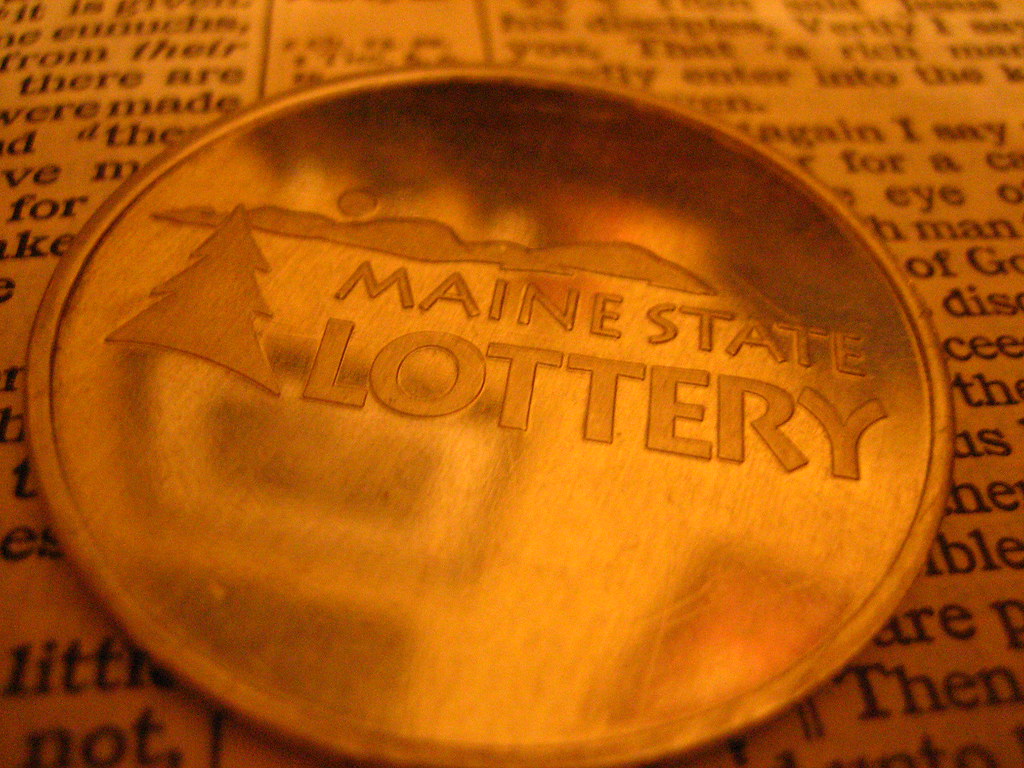
...a mysterious silver coin.
Tuesday, January 10, 2006
Leftovers
We drive around to the back of the building, where we've been directed, up the ramp marked "ambulance only," out of the hammering rain and under a canopy at the back door.
A pudgy white man in heavy glasses is holding the door open for us. He introduces himself in a quiet voice, shaking our hands. His manner is respectful, human. I think he has worked here a long time.
He leads us down a hallway. White linoleum, fluorescent lights, cheap government furnishings. There are other people working here, walking around, talking, but their voices are low; not the commercial hush of a mortuary, just a notch quieter than most offices. I pass an open door. A man is eating his lunch. Beside him, on a table, is a figure, partially covered. A bare foot shows, its naked sole facing me, a manila tag hanging from the toe. I try to read what it says, but we're moving on.
He asks us to wait. To my right, raincoats are hanging from a rack, a broad stripe of high-visibility orange running across the chest and arms.
Our guide appears with five suitcases. Or, two matching suitcases, two backpacks, an overnight bag. This is what they took with them, on their trip here to San Francisco. Two young women I didn't know. One of them was the niece of a friend. The other was her partner, her lover. They were in their twenties. They packed their matching suitcases - they look new, and expensive - and they came to San Francisco to commit suicide. This is all I know about them.
What do you pack for a suicide?
Mr. Billy is asked to step through the door to my left. I wait for him with the bags. I can see him, through the window in the door. He is talking to a woman through another window, at a counter. The woman is standing on my side of the door. If I lean forward, I can see her around the corner, standing behind the counter. If I stand up straight, I can watch Mr. Billy, signing papers.
She hands him items, one at a time. She states what each item is. Necklace. Wallet. Ring. Comb. Mr. Billy has to initial for each item as he receives it.
I stare at the suitcases. I put my hands in my pockets so I don't open them up, rifle through them, touch each item, each piece of clothing, move the fabric between my fingers, listen for it to tell me more of the story.
What did they pack for their last few days on earth, for their suicide vacation?
Loaded down with their bags and suitcases, we find our way out. In the room I passed earlier, the man eating lunch is gone, but the bare foot is still there. Just outside the door, two men are moving a gurney into a van. On the gurney is a large bag. It looks well-made, designed to stop leaks, to hold together what's inside as it disintegrates. Inside the bag is a body. I can see where the head is, where the feet.
We load the bags into the trunk, and drive home.
A pudgy white man in heavy glasses is holding the door open for us. He introduces himself in a quiet voice, shaking our hands. His manner is respectful, human. I think he has worked here a long time.
He leads us down a hallway. White linoleum, fluorescent lights, cheap government furnishings. There are other people working here, walking around, talking, but their voices are low; not the commercial hush of a mortuary, just a notch quieter than most offices. I pass an open door. A man is eating his lunch. Beside him, on a table, is a figure, partially covered. A bare foot shows, its naked sole facing me, a manila tag hanging from the toe. I try to read what it says, but we're moving on.
He asks us to wait. To my right, raincoats are hanging from a rack, a broad stripe of high-visibility orange running across the chest and arms.
Our guide appears with five suitcases. Or, two matching suitcases, two backpacks, an overnight bag. This is what they took with them, on their trip here to San Francisco. Two young women I didn't know. One of them was the niece of a friend. The other was her partner, her lover. They were in their twenties. They packed their matching suitcases - they look new, and expensive - and they came to San Francisco to commit suicide. This is all I know about them.
What do you pack for a suicide?
Mr. Billy is asked to step through the door to my left. I wait for him with the bags. I can see him, through the window in the door. He is talking to a woman through another window, at a counter. The woman is standing on my side of the door. If I lean forward, I can see her around the corner, standing behind the counter. If I stand up straight, I can watch Mr. Billy, signing papers.
She hands him items, one at a time. She states what each item is. Necklace. Wallet. Ring. Comb. Mr. Billy has to initial for each item as he receives it.
I stare at the suitcases. I put my hands in my pockets so I don't open them up, rifle through them, touch each item, each piece of clothing, move the fabric between my fingers, listen for it to tell me more of the story.
What did they pack for their last few days on earth, for their suicide vacation?
Loaded down with their bags and suitcases, we find our way out. In the room I passed earlier, the man eating lunch is gone, but the bare foot is still there. Just outside the door, two men are moving a gurney into a van. On the gurney is a large bag. It looks well-made, designed to stop leaks, to hold together what's inside as it disintegrates. Inside the bag is a body. I can see where the head is, where the feet.
We load the bags into the trunk, and drive home.
Saturday, January 07, 2006
Billy has the flu
After a Nyquil-assisted nap, maybe I'll blog. Or maybe I'll have another nap.
In the meantime, enjoy my quote of the day:
"There's no room for personal feelings in Science, Judith!"
In the meantime, enjoy my quote of the day:
"There's no room for personal feelings in Science, Judith!"
Friday, December 30, 2005
Way to go, Ed
For monkey 0 and for the real-life Ed.
Ed felt it right as the ball left his fingers, a perfect throw, rolling straight as the path to God down the lane, lights shining off its surface. He closed his eyes to hear the sweet clatter as the ball hit true, ten pins down.
"You ever hear anything so pretty?" asked Ed, turning back to his boys.
Cecil shook his head, slurping suds from his moustache, "You're on fire tonight, Ed."
"Throwing with the angels," agreed Johnny, angling up to the ball return, his long fingers slotting into his own ball.
Throwing with the angels. Ed nodded, in a state of grace, something special tonight. He knew he had that magic 300 in his fingers, he just had to step aside almost, a simple perfection speaking through him.
"Whatever happened to that Sherry?" asked Ed. He could still remember the feel of her lips on his cheek last year, after his second 300 game, always thought it was her nominated him for the Hall of Fame in Kalamazoo. The way she looked at him sideways from behind the counter, shiny red lips in a little smile like they had a private joke, just the two of them.
"She married that Kosanke fellow," Cecil slumping back from a sorry throw, "From last year's All Star's?"
"Moved out to...Illinois, was it?" Dick rolled his head against the back of the bench, Ed guessed his shoulder was acting up again.
"That girl had real class," Ed nodded his way back to the lane, last throw of the game, head full of Sherry and her long brown hair. Even under the alley uniform you could tell she was built like one of those girls on the mud flaps, tiny little waist, hips rolling under the edge of the shirt. Too young for him, he knew, but she let him dream. Ed held his hand over the air, thought again of her breath on his cheek, her gentle voice in his ear: "Way to go, Ed."
His fingers slid into the holes like home, the ball warm and alive in his hand.
This is a good night, he thought, letting go, rolling true as the word of the Lord, the boys jumping up almost before it hit, he could hear them yelling his name, a perfect 300, stars shooting behind his eyelids, his heart swelling up, he turned around to see their faces once before tilting to the floor, Sherry's voice in his ear, calling him softly home.
"Way to go, Ed."
Ed felt it right as the ball left his fingers, a perfect throw, rolling straight as the path to God down the lane, lights shining off its surface. He closed his eyes to hear the sweet clatter as the ball hit true, ten pins down.
"You ever hear anything so pretty?" asked Ed, turning back to his boys.
Cecil shook his head, slurping suds from his moustache, "You're on fire tonight, Ed."
"Throwing with the angels," agreed Johnny, angling up to the ball return, his long fingers slotting into his own ball.
Throwing with the angels. Ed nodded, in a state of grace, something special tonight. He knew he had that magic 300 in his fingers, he just had to step aside almost, a simple perfection speaking through him.
"Whatever happened to that Sherry?" asked Ed. He could still remember the feel of her lips on his cheek last year, after his second 300 game, always thought it was her nominated him for the Hall of Fame in Kalamazoo. The way she looked at him sideways from behind the counter, shiny red lips in a little smile like they had a private joke, just the two of them.
"She married that Kosanke fellow," Cecil slumping back from a sorry throw, "From last year's All Star's?"
"Moved out to...Illinois, was it?" Dick rolled his head against the back of the bench, Ed guessed his shoulder was acting up again.
"That girl had real class," Ed nodded his way back to the lane, last throw of the game, head full of Sherry and her long brown hair. Even under the alley uniform you could tell she was built like one of those girls on the mud flaps, tiny little waist, hips rolling under the edge of the shirt. Too young for him, he knew, but she let him dream. Ed held his hand over the air, thought again of her breath on his cheek, her gentle voice in his ear: "Way to go, Ed."
His fingers slid into the holes like home, the ball warm and alive in his hand.
This is a good night, he thought, letting go, rolling true as the word of the Lord, the boys jumping up almost before it hit, he could hear them yelling his name, a perfect 300, stars shooting behind his eyelids, his heart swelling up, he turned around to see their faces once before tilting to the floor, Sherry's voice in his ear, calling him softly home.
"Way to go, Ed."
Thursday, December 29, 2005
Paradise
This is my very late post for monkey 0's topic.
Stanley dropped the cherry from his cig down between the couch cushions. Bad scene, man. He stuck his hand down after it, quick, moved it back and forth. Nothing. Shit.
Stanley dragged himself up and yanked the cushion off the couch. No smoldering kernel, no ash, no nothing. Nothing, nothing, nothing, man. Not even crumbs. The bare couch was as clean as the day the plastic came off, however many damn years ago that was. Fifty or something. Crappy old flowered couch, and he'd been eating and drinking and smoking, playing cards and getting drunk and farting and even had a chick once or twice on the thing, and there's nothing there. Clean as a baby's bottom.
That shit's fucked up, thought Stanley.
He was standing anyway, so he lifted off the other two cushions, knocking his dead cig off the coffee table, and rocking his beer where it stood. Stanley lunged for the beer, caught it off balance, spilled some on the cushionless couch, but managed to save most of it. He was about ready to take a pull when the puddle of beer on the bare seat started moving. Not like running like spilled beer should, man, but like gathering itself together and looping, brown and shiny, toward the crack, that long crack at the back of the couch.
Stanley put down the beer. How many had he had? Damn, not that many, only four or so, just a regular weekday, but damn him if that puddle wasn't slipping right into that crack, leaving the couch as clean as Sunday morning.
Stanley sat down on the coffee table, and looked at the couch. It sat there, not saying a word back to him. It was just a couch, just a raggedy-ass old couch. Maybe it was just curved funny so that everything that landed on it slid to the back. That was it. Stanley nodded once, then knelt on the couch and reached into the crack.
And he kept reaching, pushing his arm in all the way up to his shoulder, his hand waving around in fucking empty air. He yanked his arm back, fast, and pulled the couch away from the wall, knocking it against the coffee table. The beer went over again, but Stanley didn't even stop to see the liquid foaming out of the can, sliding quietly into the crack. He was busy running his hand over the back of the couch. Nothing, just the back of the couch. Wall on the other side.
Stanley stood up. He looked at his right hand, the one he'd stuck into the crack. It was warm. Warmer than his other hand. Shit, it wasn't 40 degrees out and his heat hadn't worked for a month. He was used to the cold. He held his two hands next to each other, and the right one was radiating heat.
Stanley went back around to the front of the couch and laid down on it. He pried open the crack. It was just dark down there, but something, a warm breath and a scent.
Fuck, was that flowers?
Stanley scrabbled in closer. No, it wasn't just dark, there was a glow down there, far off, like sunshine from another room, and...he pried it open just a little further...he heard a breeze, wind through palm leaves. And the scent of flowers. And...Stanley pushed his head as close as he could...ocean waves, lapping against the beach.
The far-off cry of a seagull.
Stanley dropped the cherry from his cig down between the couch cushions. Bad scene, man. He stuck his hand down after it, quick, moved it back and forth. Nothing. Shit.
Stanley dragged himself up and yanked the cushion off the couch. No smoldering kernel, no ash, no nothing. Nothing, nothing, nothing, man. Not even crumbs. The bare couch was as clean as the day the plastic came off, however many damn years ago that was. Fifty or something. Crappy old flowered couch, and he'd been eating and drinking and smoking, playing cards and getting drunk and farting and even had a chick once or twice on the thing, and there's nothing there. Clean as a baby's bottom.
That shit's fucked up, thought Stanley.
He was standing anyway, so he lifted off the other two cushions, knocking his dead cig off the coffee table, and rocking his beer where it stood. Stanley lunged for the beer, caught it off balance, spilled some on the cushionless couch, but managed to save most of it. He was about ready to take a pull when the puddle of beer on the bare seat started moving. Not like running like spilled beer should, man, but like gathering itself together and looping, brown and shiny, toward the crack, that long crack at the back of the couch.
Stanley put down the beer. How many had he had? Damn, not that many, only four or so, just a regular weekday, but damn him if that puddle wasn't slipping right into that crack, leaving the couch as clean as Sunday morning.
Stanley sat down on the coffee table, and looked at the couch. It sat there, not saying a word back to him. It was just a couch, just a raggedy-ass old couch. Maybe it was just curved funny so that everything that landed on it slid to the back. That was it. Stanley nodded once, then knelt on the couch and reached into the crack.
And he kept reaching, pushing his arm in all the way up to his shoulder, his hand waving around in fucking empty air. He yanked his arm back, fast, and pulled the couch away from the wall, knocking it against the coffee table. The beer went over again, but Stanley didn't even stop to see the liquid foaming out of the can, sliding quietly into the crack. He was busy running his hand over the back of the couch. Nothing, just the back of the couch. Wall on the other side.
Stanley stood up. He looked at his right hand, the one he'd stuck into the crack. It was warm. Warmer than his other hand. Shit, it wasn't 40 degrees out and his heat hadn't worked for a month. He was used to the cold. He held his two hands next to each other, and the right one was radiating heat.
Stanley went back around to the front of the couch and laid down on it. He pried open the crack. It was just dark down there, but something, a warm breath and a scent.
Fuck, was that flowers?
Stanley scrabbled in closer. No, it wasn't just dark, there was a glow down there, far off, like sunshine from another room, and...he pried it open just a little further...he heard a breeze, wind through palm leaves. And the scent of flowers. And...Stanley pushed his head as close as he could...ocean waves, lapping against the beach.
The far-off cry of a seagull.
Wednesday, December 28, 2005
Billy gets a camera
 While I can never hope to be the thing of the moment, nor am I always watching, I do now (thanks to the stupendous Mr. Billy) have a camera.
I am therefore dangerous.
The father of the girl in the pink boots, for example, was - rightly, as it happens - suspicious.

I promise, this is not about to become a photoblog. I just had to show off my new toy. I'll throw in a picture now & then, but if I find it growing into an obsession (a distinct possibility), I'll find another home for the pics.
Want to see more from my day at the beach? Trundle on over to Flickr.
Friday, December 23, 2005
Billy unplugged
To my highly attractive and obviously brilliant readers: I will be away for a few days. No cell phone access, no T.V., no internet. On my return, I will repent of my lazy blogging and everything else I've neglected. Or, at least, have a few days of furious activity followed by weeks of torpor and sloth before the guilt piles up again.
I know, you can hardly wait.
I know, you can hardly wait.
Tuesday, December 20, 2005
Promiscuous Billy (90.18%)
I've been a bad blogger. I haven't been posting, haven't been leaving comments on the brilliant blogs of brilliant bloggers who leave comments on mine. I haven't written about things found between couch cushions yet, either.

And today I find out I'm also 90.18% slutty, thanks to the Slut-o-Meter.
For all the other things, I will mend my ways, I will.
But the sluttiness, well, I don't think I can help that.
And today I find out I'm also 90.18% slutty, thanks to the Slut-o-Meter.
For all the other things, I will mend my ways, I will.
But the sluttiness, well, I don't think I can help that.
Thursday, December 15, 2005
Fake leg
"...but you know she has a fake leg."
"Fake leg? She don't have no fake leg, she lyin to you."
Some mornings, I like sharing the bus with teenagers. These two were having their conversation around me, like I wasn't even there. The boy was the one telling about the girl with the fake leg. He was small, deep black, sitting with a pudgy white boy. The skeptical girl was little, too, but you could see she was already almost a woman. She held herself very still, her dark hair carefully combed back from her face.
"No, I'm tellin you, she have a fake leg. She got run over, it got run over, and it broke."
"Psh."
"Yeah. It got run over an now it's fake."
"She lyin. You don't get no fake leg from havin your leg broke. You just get a cast, like I had last year?"
"No, it was broke, an it healed, an then it got run over."
"An I'm tellin you she lyin."
"I see her today, I'm gonna kick her in the leg."
"Fake leg? She don't have no fake leg, she lyin to you."
Some mornings, I like sharing the bus with teenagers. These two were having their conversation around me, like I wasn't even there. The boy was the one telling about the girl with the fake leg. He was small, deep black, sitting with a pudgy white boy. The skeptical girl was little, too, but you could see she was already almost a woman. She held herself very still, her dark hair carefully combed back from her face.
"No, I'm tellin you, she have a fake leg. She got run over, it got run over, and it broke."
"Psh."
"Yeah. It got run over an now it's fake."
"She lyin. You don't get no fake leg from havin your leg broke. You just get a cast, like I had last year?"
"No, it was broke, an it healed, an then it got run over."
"An I'm tellin you she lyin."
"I see her today, I'm gonna kick her in the leg."
Sunday, December 11, 2005
Old Ranch Dies
Mom grew up on a ranch.
At home she held court in the bedroom, propped against pillows on the king size bed, Dad's abstract-expressionist canvas spreading across the wall above her; a wingless angel in yellows and oranges looking down. I see her most often there, in a flowered caftan, my brothers strewn around the bed talking, Mom's legs crossed neatly at the ankles. I would lie at her feet, my fingers tracing the scar that curved around her ankle bone where they put the screws in.
Summers we went to the ranch. Grandma and Grandpa kept it going well into their eighties. Mom was different there, in jeans, riding a horse, in the garden with me and my sister, picking strawberries. We'd sneak a few into our mouths along the way, heavy with summer juice.
The ranch was alive to me then, games of Marco Polo with my brothers and cousins in the yard. A nest with robin's eggs just out the window of the upstairs bunkhouse. Shucking corn in the dooryard. A hand slipped under the fluff of a hen for warm eggs. Grandma bustling around the kitchen, apron over her faded flowered dress, Grandpa chewing on a piece of hay, pulling off his work gloves before sitting down.
The ranch is gone now, lost. Sold after Grandma & Grandpa's deaths, fallen into mud and neglect. But Mom saw its death long before. She knew a different time, when the bunkhouses were full of ranch hands, Mom as a girl, with her sisters, carrying pots of food to a tableful of men. When Grandpa called her Tommy, and she pitched hay at his side.
I wish I could bring it all back - Mom and the ranch, the poplar trees and Grandpa's hands around a cow's teat, ringing milk against the metal wall of a bucket - I try, with words, but it's never enough.
Mom, maybe, was more successful.
Old Ranch Dies
Uncle Tone played Bonies with us
in the dooryard dirt, between
the poplar trees; heifers,
horses, mares in stick corrals;
collected from their disconnected
skeletons, sun dried, bird cleansed
for our farms and barns.
Uncle Tone lived that summer
in one of a row of cowhand cabins
made of wood so old it held inside
the cool and ancient light.
We watched him shave
from an enameled basin, chip-pocked,
filled with soap scum on the water, cold.
He worked the leather razor strop,
lathered up. I thought saddle soap
would serve better on his tooled face,
than the floating bloated stuff.
He applied the edge and grated
upwards, laying swath by swath;
made a map like hayfields mowed,
with only fringes top and bottom
left, for a sidewise scythe.
His face wavered in the mirror
and he turned and flung the basin
empty to the dooryard,
water arcing a continuum
where poplars stood in rows
armed against the wind--
And made a sheltering place
for owl, pivoting his face
as he spoke--
Of how the pigs got out that day,
left us clinging to the screen door
while aunties grabbed their brooms,
sweeping courage in stampeding clouds
doubling the other way--
Of how we three rode sandwiched
flank by flank upon Old Ruth,
among the cottonwoods--
How, in the grainery we slithered
in within the bins of wheat--
And how we stood inhaling leather
hanging smooth inside the saddle house,
soothed in the gloom of the light.
Uncle Tone could swing a lariat
while headlong galloping the hills,
could bounce it, bellied out against
the wind, that spoke of white-eyed
panic from the day that Golden Racket
kicked his stall apart, reared
and neighed his way out,
splintering the fence.
Uncle Tone played Bonies with us
in the dooryard dirt. Now he's moving on.
His skeleton is in its mound--white bones
are disconnecting, making
bonies, underground.
At home she held court in the bedroom, propped against pillows on the king size bed, Dad's abstract-expressionist canvas spreading across the wall above her; a wingless angel in yellows and oranges looking down. I see her most often there, in a flowered caftan, my brothers strewn around the bed talking, Mom's legs crossed neatly at the ankles. I would lie at her feet, my fingers tracing the scar that curved around her ankle bone where they put the screws in.
Summers we went to the ranch. Grandma and Grandpa kept it going well into their eighties. Mom was different there, in jeans, riding a horse, in the garden with me and my sister, picking strawberries. We'd sneak a few into our mouths along the way, heavy with summer juice.
The ranch was alive to me then, games of Marco Polo with my brothers and cousins in the yard. A nest with robin's eggs just out the window of the upstairs bunkhouse. Shucking corn in the dooryard. A hand slipped under the fluff of a hen for warm eggs. Grandma bustling around the kitchen, apron over her faded flowered dress, Grandpa chewing on a piece of hay, pulling off his work gloves before sitting down.
The ranch is gone now, lost. Sold after Grandma & Grandpa's deaths, fallen into mud and neglect. But Mom saw its death long before. She knew a different time, when the bunkhouses were full of ranch hands, Mom as a girl, with her sisters, carrying pots of food to a tableful of men. When Grandpa called her Tommy, and she pitched hay at his side.
I wish I could bring it all back - Mom and the ranch, the poplar trees and Grandpa's hands around a cow's teat, ringing milk against the metal wall of a bucket - I try, with words, but it's never enough.
Mom, maybe, was more successful.
Old Ranch Dies
Uncle Tone played Bonies with us
in the dooryard dirt, between
the poplar trees; heifers,
horses, mares in stick corrals;
collected from their disconnected
skeletons, sun dried, bird cleansed
for our farms and barns.
Uncle Tone lived that summer
in one of a row of cowhand cabins
made of wood so old it held inside
the cool and ancient light.
We watched him shave
from an enameled basin, chip-pocked,
filled with soap scum on the water, cold.
He worked the leather razor strop,
lathered up. I thought saddle soap
would serve better on his tooled face,
than the floating bloated stuff.
He applied the edge and grated
upwards, laying swath by swath;
made a map like hayfields mowed,
with only fringes top and bottom
left, for a sidewise scythe.
His face wavered in the mirror
and he turned and flung the basin
empty to the dooryard,
water arcing a continuum
where poplars stood in rows
armed against the wind--
And made a sheltering place
for owl, pivoting his face
as he spoke--
Of how the pigs got out that day,
left us clinging to the screen door
while aunties grabbed their brooms,
sweeping courage in stampeding clouds
doubling the other way--
Of how we three rode sandwiched
flank by flank upon Old Ruth,
among the cottonwoods--
How, in the grainery we slithered
in within the bins of wheat--
And how we stood inhaling leather
hanging smooth inside the saddle house,
soothed in the gloom of the light.
Uncle Tone could swing a lariat
while headlong galloping the hills,
could bounce it, bellied out against
the wind, that spoke of white-eyed
panic from the day that Golden Racket
kicked his stall apart, reared
and neighed his way out,
splintering the fence.
Uncle Tone played Bonies with us
in the dooryard dirt. Now he's moving on.
His skeleton is in its mound--white bones
are disconnecting, making
bonies, underground.
Thursday, December 08, 2005
"We'll be home soon"
"...a relief." Rico was talking out loud, but he didn't think anyone heard him, their feet moving around his head, shouting somewhere far above him, Rico couldn't understand what, but it didn't matter, what Marie had said was right, everything was going to be okay.
Marie had been talking him through the whole thing, getting on the plane and the drink service, all of it, "We're starting to land," she'd said, "just twenty minutes and we'll be on the ground," she seemed to think he was nervous, but it was Marie who was scared when she found out he'd missed his dose this morning. Rico was just rolling back, away from all the noise and colors and realness, like a camera dollying back from the action, and it was turning into a movie, a dream, Rico just sitting back where it was safe and quiet, watching himself bouncing his knees, bumping them up against the tray table, watching his shoulders twitch inside his new blue shirt.
"We just have to get through customs ... We're going to be home soon, and everything will be all right," Marie had her hand over his while they stood, stooping, at their seat, watching the other passengers bunch up in the aisle.
From his far-off spot, Rico saw one of the passengers - the guy with wet strings of hair pulled over the top of his head - look hard at Rico, he was looking at him and thinking Terrorist, Rico could smell it, he smelled what the bald guy was thinking, he looked at Rico and saw a terrorist.
Rico moved his backpack around to his front, it made him feel safer from the man who saw a terrorist, it made him feel strong, he could lift his arms out to the side and look down at it, it looked good, it looked powerful. It looked like it could be real, could be dangerous, could be a bomb.
The man moved his head, jerking it to the side. Rico watched himself flinch back, watched himself break for the aisle, he could see a panic on his face, the Rico he saw had to get out, Marie left behind, he just had to get out out fast.
He didn't see the man in the Hawaiian shirt, though, not until after the shots yanked him right back inside his head, the man standing over him. Did he hear me thinking? wondered Rico. Did he hear me thinking about my backpack, how it could be a bomb?
It didn't really matter, thought Rico, blood slipping from between his lips. Everything was okay, just like Marie said. We'll be home soon.
Marie had been talking him through the whole thing, getting on the plane and the drink service, all of it, "We're starting to land," she'd said, "just twenty minutes and we'll be on the ground," she seemed to think he was nervous, but it was Marie who was scared when she found out he'd missed his dose this morning. Rico was just rolling back, away from all the noise and colors and realness, like a camera dollying back from the action, and it was turning into a movie, a dream, Rico just sitting back where it was safe and quiet, watching himself bouncing his knees, bumping them up against the tray table, watching his shoulders twitch inside his new blue shirt.
"We just have to get through customs ... We're going to be home soon, and everything will be all right," Marie had her hand over his while they stood, stooping, at their seat, watching the other passengers bunch up in the aisle.
From his far-off spot, Rico saw one of the passengers - the guy with wet strings of hair pulled over the top of his head - look hard at Rico, he was looking at him and thinking Terrorist, Rico could smell it, he smelled what the bald guy was thinking, he looked at Rico and saw a terrorist.
Rico moved his backpack around to his front, it made him feel safer from the man who saw a terrorist, it made him feel strong, he could lift his arms out to the side and look down at it, it looked good, it looked powerful. It looked like it could be real, could be dangerous, could be a bomb.
The man moved his head, jerking it to the side. Rico watched himself flinch back, watched himself break for the aisle, he could see a panic on his face, the Rico he saw had to get out, Marie left behind, he just had to get out out fast.
He didn't see the man in the Hawaiian shirt, though, not until after the shots yanked him right back inside his head, the man standing over him. Did he hear me thinking? wondered Rico. Did he hear me thinking about my backpack, how it could be a bomb?
It didn't really matter, thought Rico, blood slipping from between his lips. Everything was okay, just like Marie said. We'll be home soon.
Sunday, December 04, 2005
Our Lady of the Triple T
The Triple T truckstop in Tucson is Our Place, where I meet Mother Mary when I'm in the area. Mary has been a friend for twenty-five years, and though she is fully occupied with mothering now, I still see her, at eighteen, playing Joan of Arc with fire and virtue. For me, there is Jean Seberg, there is Mary, and no-one else.
The people in the Triple T belong out here. Waitress stretched thin by desert wind, wrinkles cut in deep by the sun. Most of them just as happy to be alone as with other people, odd in a private way, peculiar to the desert. A woman not much older than me with flamboyantly rumpled hair and missing teeth. A bony man curved over the counter, moustache dropping down either side of his mouth, running under his chin like chocolate milk, eyes bulging out of his head, following every little movement in the place.
It’s a truck stop that sells massages for truckers, tarantula paperweights, porcelain horses. Girl behind the counter with dyed black hair and fierce black eyeliner might provide other services, as might another girl walking through the restaurant, fried blond hair jacked up tight into a ponytail on top of her head.
A mother with a special, cultivated roll of fat right around her middle, like a careful tire bulked beneath her tight black dress, holding the hand of a girl – more than chubby, her skin filled tight as a sausage all over – cheeks pink with the effort of walking from one end of the restaurant to the other.
Later, Mr. Billy's parents take us into the hills, where Our Lady of the Sierras and a thirty-foot cross overlooks the wide, white desert, Arizona to the left, Mexico to the right.
We follow the stations of the cross up the hill to a shrine at the top. Christ hanging on a cross constructed of those white rocks popular for edging suburban driveways in the seventies.
The waterfall is half-frozen, icicles hanging from the rocks. A cactus beside the fall starts green at the base, shading up to a vibrating violet, “livid” I say, “Yosemite Sam purple,” says Mr. Billy.
There's a small nod to the locals, Our Lady of Guadalupe mural hiding a propane tank. But it is a monstrous, white, blue-eyed Virgin Mary who simpers beside the cross, obscene pink toes the size of golf balls poking out from under her dress.
I can't help thinking my own Mary, of the Triple T, would have made a better model.
The people in the Triple T belong out here. Waitress stretched thin by desert wind, wrinkles cut in deep by the sun. Most of them just as happy to be alone as with other people, odd in a private way, peculiar to the desert. A woman not much older than me with flamboyantly rumpled hair and missing teeth. A bony man curved over the counter, moustache dropping down either side of his mouth, running under his chin like chocolate milk, eyes bulging out of his head, following every little movement in the place.
It’s a truck stop that sells massages for truckers, tarantula paperweights, porcelain horses. Girl behind the counter with dyed black hair and fierce black eyeliner might provide other services, as might another girl walking through the restaurant, fried blond hair jacked up tight into a ponytail on top of her head.
A mother with a special, cultivated roll of fat right around her middle, like a careful tire bulked beneath her tight black dress, holding the hand of a girl – more than chubby, her skin filled tight as a sausage all over – cheeks pink with the effort of walking from one end of the restaurant to the other.
Later, Mr. Billy's parents take us into the hills, where Our Lady of the Sierras and a thirty-foot cross overlooks the wide, white desert, Arizona to the left, Mexico to the right.
We follow the stations of the cross up the hill to a shrine at the top. Christ hanging on a cross constructed of those white rocks popular for edging suburban driveways in the seventies.
The waterfall is half-frozen, icicles hanging from the rocks. A cactus beside the fall starts green at the base, shading up to a vibrating violet, “livid” I say, “Yosemite Sam purple,” says Mr. Billy.
There's a small nod to the locals, Our Lady of Guadalupe mural hiding a propane tank. But it is a monstrous, white, blue-eyed Virgin Mary who simpers beside the cross, obscene pink toes the size of golf balls poking out from under her dress.
I can't help thinking my own Mary, of the Triple T, would have made a better model.
Friday, December 02, 2005
Publishment
A new story of mine, "Raimondo the King," is being published in issue four of Things That Are True.
The theme of the issue was Hills, which sent me deep into a sort of sick-nostalgia centering around the Hemingway story, "Hills Like White Elephants" and that moment in my past when I first read it and how it blew my mind and made me say, "yeah, man, that's just how it is," when I really had little idea how it is.
But then I pulled my head out of my ass and wrote "Raimondo..." which has nothing to do with anything except itself.
The theme of the issue was Hills, which sent me deep into a sort of sick-nostalgia centering around the Hemingway story, "Hills Like White Elephants" and that moment in my past when I first read it and how it blew my mind and made me say, "yeah, man, that's just how it is," when I really had little idea how it is.
But then I pulled my head out of my ass and wrote "Raimondo..." which has nothing to do with anything except itself.
Tuesday, November 29, 2005
"When you have finished screaming, place the oxygen mask over your nose and mouth and breathe normally"
A late-night hop from Tucson to Phoenix, the captain is feeling frisky. "And, finally - the aircraft's best feature - the seat cushions may be removed and used as a flotation device in the event of a water landing. Remove the cushion and place your arms through the straps as indicated. You may keep the cushion with our compliments."
The voice trickles into my consciousness like a dream, the attendant at the front moving through her ballet: oxygen mask, seatbelt, seat cushion; her glossed lips breaking open, teeth shining, I'm full of sleepy tenderness for her. She passes me, trembling with silent laughter, her shoes sinking soundlessly into the carpet.
Two rows ahead, a Mennonite woman in white net cap and long dress sits beside a college girl, tight t-shirt framing overflowing breasts, decorated with a fading drawing of a beer mug and the legend, "One more for the road." I catch them studiously looking away from each other, mutual curiosity lighting up the air between them.
The attendant announces that the front is too heavy, four people volunteer to move to the back of the plane.
I take Mr. Billy's hand as we accelerate down the runway and lift off. It's too soon, too smooth, I'm certain we can't hang in the air and take my last look at Mr. Billy's clean, calm eyes before the crash.
Somehow, we stay in flight, dragging the tail upward, it must have been the collective will, all of us brought together in this bright capsule, shooting deep into the night.
The voice trickles into my consciousness like a dream, the attendant at the front moving through her ballet: oxygen mask, seatbelt, seat cushion; her glossed lips breaking open, teeth shining, I'm full of sleepy tenderness for her. She passes me, trembling with silent laughter, her shoes sinking soundlessly into the carpet.
Two rows ahead, a Mennonite woman in white net cap and long dress sits beside a college girl, tight t-shirt framing overflowing breasts, decorated with a fading drawing of a beer mug and the legend, "One more for the road." I catch them studiously looking away from each other, mutual curiosity lighting up the air between them.
The attendant announces that the front is too heavy, four people volunteer to move to the back of the plane.
I take Mr. Billy's hand as we accelerate down the runway and lift off. It's too soon, too smooth, I'm certain we can't hang in the air and take my last look at Mr. Billy's clean, calm eyes before the crash.
Somehow, we stay in flight, dragging the tail upward, it must have been the collective will, all of us brought together in this bright capsule, shooting deep into the night.
Thursday, November 24, 2005
"Parade Shrugs Off Weather, Marches On"
As hard as it is to tear myself away from such gripping headlines, I am off for the weekend to the broad vistas and dusty byways of Arizona. I won't be far from Tombstone, where actors slaughter each other daily in the OK Corral, where living in the past is a way of life for a whole town. And where I may not have internet access.
Reluctantly I turn off the television, fetchingly booted, high-stepping majorettes and bloated balloons consigned to oblivion; I shoulder my bags for the journey ahead.
Reluctantly I turn off the television, fetchingly booted, high-stepping majorettes and bloated balloons consigned to oblivion; I shoulder my bags for the journey ahead.
Wednesday, November 23, 2005
Scratch fiction in 10 steps
Scratch fiction can be a heady antidote to writerly malaise, lack of inspiration, or not enough time to write. If you're despairing at the pile of rewrites on your desk, you can head down to the bar for a Bukowskian binge, or you can write some scratch fiction. I'm not advocating either, necessarily, but scratch fiction won't give you a hangover, and it's not likely to make that doughy guy at the end of the bar with the greasy hair and spittle-glazed lips look charming.
Step 1: Sit in front of computer.
Step 2: Get up and pour a drink. Sit down again.
Step 3: Get up and yell to spouse (or partner, or roommate, or call a friend). Ask for a topic. If you don't want to speak to anyone, pick up a random book, open to a random page, and drop your finger on the page. The word you land on is your topic.
If you don't like the first topic given, you can ask for another.
Step 4: Type a title. This can be the topic you've been given. Or it can be something completely unrelated that the topic makes you think of. Or that the person you asked makes you think of. Maybe the way his glasses reflect the light while he is thinking of a topic makes you think of a shiny beach ball your best friend had when you were three, that you wanted more than anything in the world, so much you got into a fight with your friend and one of you ended up with a bloody nose, which makes you think about how far people will go for stuff they want, so you decide to write a thrilling short piece about a thief, or a junkie, or a concubine. Or maybe you write about two three-year-olds who get into a fight over a beach ball.
Step 5: Type for 15 minutes or so, until the piece is finished. Nope, don't go back and revise - keep typing.
Step 6: I said, keep typing.
Step 7: Stop. Take a drink. What the hell, finish your drink. You've earned it.
Step 8: Read the piece. Fix typos and/or egregious errors, if you must, but do not revise.
Step 9: Hit "publish".
Step 10: Have another drink.
Wait, I did say this wouldn't give you a hangover, right? Then make the drink fruit juice.
Step 1: Sit in front of computer.
Step 2: Get up and pour a drink. Sit down again.
Step 3: Get up and yell to spouse (or partner, or roommate, or call a friend). Ask for a topic. If you don't want to speak to anyone, pick up a random book, open to a random page, and drop your finger on the page. The word you land on is your topic.
If you don't like the first topic given, you can ask for another.
Step 4: Type a title. This can be the topic you've been given. Or it can be something completely unrelated that the topic makes you think of. Or that the person you asked makes you think of. Maybe the way his glasses reflect the light while he is thinking of a topic makes you think of a shiny beach ball your best friend had when you were three, that you wanted more than anything in the world, so much you got into a fight with your friend and one of you ended up with a bloody nose, which makes you think about how far people will go for stuff they want, so you decide to write a thrilling short piece about a thief, or a junkie, or a concubine. Or maybe you write about two three-year-olds who get into a fight over a beach ball.
Step 5: Type for 15 minutes or so, until the piece is finished. Nope, don't go back and revise - keep typing.
Step 6: I said, keep typing.
Step 7: Stop. Take a drink. What the hell, finish your drink. You've earned it.
Step 8: Read the piece. Fix typos and/or egregious errors, if you must, but do not revise.
Step 9: Hit "publish".
Step 10: Have another drink.
Wait, I did say this wouldn't give you a hangover, right? Then make the drink fruit juice.
Tuesday, November 22, 2005
Mechanical difficulties
Boris' hands didn't work. No, no, this wasn't happening. He whacked his right hand against the edge of the counter to wake it up. Three people were waiting out front, the store was packed. Everyone was getting meat today, lamb cut into stew-size cubes, a good ribeye steak, a pound of lean hamburger, what was wrong with turkey? Boris wanted to know, for Thanksgiving, you were supposed to have turkey, not hamburger, what were these people thinking?
He butted his hand against the knife, but nothing, he couldn't even feel it. Was he having a heart attack? That would be just the left hand, right? And he'd feel it all down his arm, wouldn't he? This was something else, like his arms ended at the wrists, or, or like his hands were stuffed into giant mittens.
Giant mittens, he was thinking about giant mittens and the blond guy with the lamb shank was looking at his watch. You don't have to do it so dramatically, Kiddo, thought Boris, I know you're impatient, at least you have your hands.
The store was even crazier than last year, Boris could see a baby screaming over by the paté, hanging on the mother's hip, the mother serenely, obscenely oblivious, tossing paté in her cart like there was a shortage. The rich are different than you and me, Boris said to his wife almost every night as he climbed into bed smelling of a thousand slaughters, Maria yawning and turning over, They're just people, she'd say, but she didn't see them, visibly annoyed at having to do their own shopping, it all came down on Boris' head, one of the last of the live butchers, they all thought of him as their private servant.
The worst were the over-polite ones.
"Um, excuse me?" Blondie was actually tapping his toes. "Um, I don't mean to be difficult, but, um, I do have an appointment?"
Like making it a question made it all right, meant he wasn't being ordered around, wasn't a servant who belonged to anyone with the bank account to shop here.
Boris brought his hand down hard against the counter. Nothing. He looked at the growing line out front, all of them in their Ferragamos and Armani, Prada handbags and matching little dogs to stuff into them. He should climb over this counter and show them what a man was, he would roar like a bear and smash the glass into glittering bits, he could see it, could see himself standing a head above every one of these little faded people, they would scream at the sight of his massive fists...
But no. Boris let his arms hang dead at his sides. He couldn't even make a fist.
He butted his hand against the knife, but nothing, he couldn't even feel it. Was he having a heart attack? That would be just the left hand, right? And he'd feel it all down his arm, wouldn't he? This was something else, like his arms ended at the wrists, or, or like his hands were stuffed into giant mittens.
Giant mittens, he was thinking about giant mittens and the blond guy with the lamb shank was looking at his watch. You don't have to do it so dramatically, Kiddo, thought Boris, I know you're impatient, at least you have your hands.
The store was even crazier than last year, Boris could see a baby screaming over by the paté, hanging on the mother's hip, the mother serenely, obscenely oblivious, tossing paté in her cart like there was a shortage. The rich are different than you and me, Boris said to his wife almost every night as he climbed into bed smelling of a thousand slaughters, Maria yawning and turning over, They're just people, she'd say, but she didn't see them, visibly annoyed at having to do their own shopping, it all came down on Boris' head, one of the last of the live butchers, they all thought of him as their private servant.
The worst were the over-polite ones.
"Um, excuse me?" Blondie was actually tapping his toes. "Um, I don't mean to be difficult, but, um, I do have an appointment?"
Like making it a question made it all right, meant he wasn't being ordered around, wasn't a servant who belonged to anyone with the bank account to shop here.
Boris brought his hand down hard against the counter. Nothing. He looked at the growing line out front, all of them in their Ferragamos and Armani, Prada handbags and matching little dogs to stuff into them. He should climb over this counter and show them what a man was, he would roar like a bear and smash the glass into glittering bits, he could see it, could see himself standing a head above every one of these little faded people, they would scream at the sight of his massive fists...
But no. Boris let his arms hang dead at his sides. He couldn't even make a fist.
Sunday, November 20, 2005
Blessed
A Tibetan Lama came to my office last week to perform a blessing.
We gathered around the long table. Lama Kunga sat at one end; in front of him were peacock feathers in an ornate holder, a censer of incense, a bell, cards that were printed with Tibetan prayers, a Play-Doh container. The Play-Doh didn't look all that out of place, sporting the same saturated colors the Lama wore, clean and bright.
 He gave us a little background about the ceremony, instructed us to hold "happy family thoughts" during the prayer. He put on his glasses, held the cards so he could read them, and began to chant. He would run out of breath as he reached the end of a card, drawing in while he flipped the cards over. He is an old man, but his voice is strong, thousands of lines appearing and disappearing on his face as he squints at the cards, wrinkles up his nose to adjust his glasses. The chant continued, and his breaths became heavier, he would draw in through his teeth, noisily; the hands holding the cards were the hands of a much younger man, small, unlined, smooth. He lifted a bell, ringing it at intervals, the chant winding down the table, out onto the street, into the afternoon.
The chant finished, he stood and handed one of my colleagues the censer, telling him to swing it back and forth, handing the peacock feathers to another. He led us like ducks through the office. The holder for the peacock feathers also held water, and he would pull out the feathers and splash a drop of water in each room, on each desk.
It was much like the blessing ceremonies led by Kumus in Hawai'i, the chant, the water, the duckling procession from room to room.
Afterward, he showed me the charcoal held in the Play-Doh can. For purification? I asked. He nodded, eyes wrinkling up with his smile.
I told him my ancestors, Native Americans, would burn sage for the same purpose. He nodded and pulled a stick of incense from a small box.
"Smell," he said.
It smelled like sage. He smiled again, gently, and told me to keep it.
We gathered around the long table. Lama Kunga sat at one end; in front of him were peacock feathers in an ornate holder, a censer of incense, a bell, cards that were printed with Tibetan prayers, a Play-Doh container. The Play-Doh didn't look all that out of place, sporting the same saturated colors the Lama wore, clean and bright.
 He gave us a little background about the ceremony, instructed us to hold "happy family thoughts" during the prayer. He put on his glasses, held the cards so he could read them, and began to chant. He would run out of breath as he reached the end of a card, drawing in while he flipped the cards over. He is an old man, but his voice is strong, thousands of lines appearing and disappearing on his face as he squints at the cards, wrinkles up his nose to adjust his glasses. The chant continued, and his breaths became heavier, he would draw in through his teeth, noisily; the hands holding the cards were the hands of a much younger man, small, unlined, smooth. He lifted a bell, ringing it at intervals, the chant winding down the table, out onto the street, into the afternoon.
The chant finished, he stood and handed one of my colleagues the censer, telling him to swing it back and forth, handing the peacock feathers to another. He led us like ducks through the office. The holder for the peacock feathers also held water, and he would pull out the feathers and splash a drop of water in each room, on each desk.
It was much like the blessing ceremonies led by Kumus in Hawai'i, the chant, the water, the duckling procession from room to room.
Afterward, he showed me the charcoal held in the Play-Doh can. For purification? I asked. He nodded, eyes wrinkling up with his smile.
I told him my ancestors, Native Americans, would burn sage for the same purpose. He nodded and pulled a stick of incense from a small box.
"Smell," he said.
It smelled like sage. He smiled again, gently, and told me to keep it.
Tuesday, November 15, 2005
Early dark
It was already night outside when I rolled down the stairs to the street. My office is above an overpriced furniture store, and one passerby was unprepared for the spectacle. As he walked past the glowing window, he spoke, in a conversational tone to no-one:
"It's all white," like it was pulled out of him involuntarily. "Everything is white in there," he went on to explain, disappearing down the street.
I checked for evidence of a cell phone. Not even an ear bud.
But he had a point.
"It's all white," like it was pulled out of him involuntarily. "Everything is white in there," he went on to explain, disappearing down the street.
I checked for evidence of a cell phone. Not even an ear bud.
But he had a point.
Sunday, November 13, 2005
Gentle city, confirmed
Quigley was in town for the weekend again. More cabs. We rode like royalty through the streets, Laotian cabbie laughing amiably at everything we said. He was 20 minutes from the end of his shift and dropping us off in the posh section of town; his day was winding up neatly.
We took Q on a stairway walk, peering into people's backyards, dizzy views on both sides. To the left, rows of houses leading out to the ocean; surf's up, Mr. Billy's wishing we were out there, watching the surfers. To the right, the rows are jumbled and lost entirely, the park a vast green pelt below us, downtown further to the right, the pyramid, the Bay Bridge.
We're climbing down some new tile steps, on the first landing we pause and direct Quigley to look up. The risers make a mosaic, a sun, brilliant yellows, oranges, reds, mirrored shards sparkling along its rays.
At the next landing, we look up again. A moon against a deep lapis blue. A little girl hops up the steps to the top, hangs on the handrail. "It makes a picture," she says, "it has names on it!"
Names of the people who contributed, in one way or another. Chuck and Celia. Gomes. Hu. Jackson. Painted inside the stars. A doctor's name on a bat, flying across the bottom of the sky.
At the next landing, the blue narrows between two mountains. Sky and earth. Birds and animals carrying names. The landing below that, a river; below that, the river empties into the ocean.
At the bottom, we would like to stand and admire, but there are three women gathered there, two elderly and one middle-aged. The first, and youngest, in a loud voice: "I mean, sure, the stairs are great, but the traffic, people slowing down to look, and the bus. I told them, sure, they could do it, but just paint a red curb here, but did they listen? I mean, this is a narrow street, and you can't believe how noisy the bus is..."
We move away from her, a bus going by.
Quigley has a way of drawing out strangers, asking questions in a completely open manner, irresistible. Our Pakistani cabbie at the end of the night has been in San Francisco for three years, driving a cab since he arrived. Q wants to know about his worst experiences, the scariest. Our cabbie shows his eyes in the rearview mirror. "Nothing all that scary," he says. We press him, Really? we want to know, "No, really. Some interesting people, yes, at Castro & Market, but this is a friendly city." He goes on to tell us that he married a woman from here. You see, Quigley, it isn't just us, just a visitor's experience. It's the city.
We took Q on a stairway walk, peering into people's backyards, dizzy views on both sides. To the left, rows of houses leading out to the ocean; surf's up, Mr. Billy's wishing we were out there, watching the surfers. To the right, the rows are jumbled and lost entirely, the park a vast green pelt below us, downtown further to the right, the pyramid, the Bay Bridge.
We're climbing down some new tile steps, on the first landing we pause and direct Quigley to look up. The risers make a mosaic, a sun, brilliant yellows, oranges, reds, mirrored shards sparkling along its rays.
At the next landing, we look up again. A moon against a deep lapis blue. A little girl hops up the steps to the top, hangs on the handrail. "It makes a picture," she says, "it has names on it!"
Names of the people who contributed, in one way or another. Chuck and Celia. Gomes. Hu. Jackson. Painted inside the stars. A doctor's name on a bat, flying across the bottom of the sky.
At the next landing, the blue narrows between two mountains. Sky and earth. Birds and animals carrying names. The landing below that, a river; below that, the river empties into the ocean.
At the bottom, we would like to stand and admire, but there are three women gathered there, two elderly and one middle-aged. The first, and youngest, in a loud voice: "I mean, sure, the stairs are great, but the traffic, people slowing down to look, and the bus. I told them, sure, they could do it, but just paint a red curb here, but did they listen? I mean, this is a narrow street, and you can't believe how noisy the bus is..."
We move away from her, a bus going by.
Quigley has a way of drawing out strangers, asking questions in a completely open manner, irresistible. Our Pakistani cabbie at the end of the night has been in San Francisco for three years, driving a cab since he arrived. Q wants to know about his worst experiences, the scariest. Our cabbie shows his eyes in the rearview mirror. "Nothing all that scary," he says. We press him, Really? we want to know, "No, really. Some interesting people, yes, at Castro & Market, but this is a friendly city." He goes on to tell us that he married a woman from here. You see, Quigley, it isn't just us, just a visitor's experience. It's the city.
Tuesday, November 08, 2005
Cat food
Say something clever, Marjorie. Say something clever and maybe the nice man with the clean fingernails and the suit that looks like it might have been pressed this morning will buy you a drink.
Marjorie shifted on her barstool and opened her mouth, then closed it.
You're never clever when you need to be, are you? In three hours the perfect line will come to you, it'll wake you up when you're sleeping - alone - when you're fast asleep it'll wake you up, and it'll be too late then. This guy's already looking at his watch, could be a nice watch, hard to tell from over here, he's going to finish his drink and leave, and you'll go home alone tonight and every other night for the rest of your miserable life, you'll be wearing brown skirts and orthopedic shoes in just a few years, opening cans of food for your million and two cats, one of Those, old women in cardigans with hand-crocheted TV cozies and giant doilies for the kitchen table, house smelling of cat pee and Whiskas.
No, there's something else out there, and it's not this little man, there's something else, maybe if I just put down my drink and get up, it's right on the other side of the door. Just once, Marjorie, put down the drink, and step outside.
Marjorie set the drink carefully on the bar. More than half of it was left, and it was good gin. She spread her hand on the padded edge of the bar, red nails shining wet, chipped on the second finger, she couldn't remember when she'd done that. She lifted herself from the stool, slowly, like the floor might shift under her, stood, smoothing the front of her dress before walking for the door.
The man in the suit looked up as she passed, wondering if she said something, sure he'd missed something important, what did she say? but she was already at the door, already pulling it open.
Here it is, Marjorie, you're doing it, there's something different already, it isn't daytime, is it? but daylight is pushing out from behind the door, she could almost feel it, leaning on the door, it's Day out there, not the evening of the day she left, but Day somewhere else, the light like a nuclear blast, like the face of God, step out into the day, Marjorie, you were right, this is it, she could feel the heat all the way in to her bones, and she stepped outside.
Marjorie shifted on her barstool and opened her mouth, then closed it.
You're never clever when you need to be, are you? In three hours the perfect line will come to you, it'll wake you up when you're sleeping - alone - when you're fast asleep it'll wake you up, and it'll be too late then. This guy's already looking at his watch, could be a nice watch, hard to tell from over here, he's going to finish his drink and leave, and you'll go home alone tonight and every other night for the rest of your miserable life, you'll be wearing brown skirts and orthopedic shoes in just a few years, opening cans of food for your million and two cats, one of Those, old women in cardigans with hand-crocheted TV cozies and giant doilies for the kitchen table, house smelling of cat pee and Whiskas.
No, there's something else out there, and it's not this little man, there's something else, maybe if I just put down my drink and get up, it's right on the other side of the door. Just once, Marjorie, put down the drink, and step outside.
Marjorie set the drink carefully on the bar. More than half of it was left, and it was good gin. She spread her hand on the padded edge of the bar, red nails shining wet, chipped on the second finger, she couldn't remember when she'd done that. She lifted herself from the stool, slowly, like the floor might shift under her, stood, smoothing the front of her dress before walking for the door.
The man in the suit looked up as she passed, wondering if she said something, sure he'd missed something important, what did she say? but she was already at the door, already pulling it open.
Here it is, Marjorie, you're doing it, there's something different already, it isn't daytime, is it? but daylight is pushing out from behind the door, she could almost feel it, leaning on the door, it's Day out there, not the evening of the day she left, but Day somewhere else, the light like a nuclear blast, like the face of God, step out into the day, Marjorie, you were right, this is it, she could feel the heat all the way in to her bones, and she stepped outside.
Monday, November 07, 2005
Seven minutes to write
Computer is back! I've missed you all...
Rain today. It acts on me like springtime after a long winter - I'm alert to every scent, every sound. It's dark now when I bus home from work, and lights shine back at me from puddled water on the street. I take a different route home, walk the last few blocks, passing restaurants, their light shining out into the street, people inside dry and warm, moving slowly in the light, a tall blond man in the taqueria looks out the window, he's Stan Laurel, stretched. His enormous flat blue eyes pick me out in the dark, trying to slip silently by, raindrops scattering out from my umbrella.
Another block, the curry place, the naan maker grins suddenly out at me, flattening dough on his hand. I wave. In the next doorway, a man sits on the ground, I've seen him before, he's blind, always on one corner or another, empty cup by his knee, wishing passersby a good day.
At the corner, the doughnut shop, a man in a knit cap looks stunned, staring down at his coffee, skin pale in the flickering light.
I stand at the corner and think about the blind guy a few steps back. I see him more than any other neighbor, but I've never met him. The rain's turned me soft. I turn around and go back.
I kneel down, saying hello, shamefacedly handing him what I dig out of my wallet, introducing myself.
"I'm Francis," he says.
"It's good to meet you, Francis."
He holds out his hand, a little high and to the right. I reach up to take his hand and shake it. The dirt lodged so deeply in his wrinkles, they're pure black lines, like his face was scribbled with a marker, but his hand is warm, not as rough as it looks. One eye nearly closed, the other, hazel, wandering off to one side. I realize I'm kneeling in water.
I get up, something fatuous dribbling out of my mouth, "Take care," like I'm his mother, "it's cold out..."
"Yeah," he laughs, "It is, a bit."
No shit, lady, he must be thinking. Thanks for pointing out the obvious.
Rain today. It acts on me like springtime after a long winter - I'm alert to every scent, every sound. It's dark now when I bus home from work, and lights shine back at me from puddled water on the street. I take a different route home, walk the last few blocks, passing restaurants, their light shining out into the street, people inside dry and warm, moving slowly in the light, a tall blond man in the taqueria looks out the window, he's Stan Laurel, stretched. His enormous flat blue eyes pick me out in the dark, trying to slip silently by, raindrops scattering out from my umbrella.
Another block, the curry place, the naan maker grins suddenly out at me, flattening dough on his hand. I wave. In the next doorway, a man sits on the ground, I've seen him before, he's blind, always on one corner or another, empty cup by his knee, wishing passersby a good day.
At the corner, the doughnut shop, a man in a knit cap looks stunned, staring down at his coffee, skin pale in the flickering light.
I stand at the corner and think about the blind guy a few steps back. I see him more than any other neighbor, but I've never met him. The rain's turned me soft. I turn around and go back.
I kneel down, saying hello, shamefacedly handing him what I dig out of my wallet, introducing myself.
"I'm Francis," he says.
"It's good to meet you, Francis."
He holds out his hand, a little high and to the right. I reach up to take his hand and shake it. The dirt lodged so deeply in his wrinkles, they're pure black lines, like his face was scribbled with a marker, but his hand is warm, not as rough as it looks. One eye nearly closed, the other, hazel, wandering off to one side. I realize I'm kneeling in water.
I get up, something fatuous dribbling out of my mouth, "Take care," like I'm his mother, "it's cold out..."
"Yeah," he laughs, "It is, a bit."
No shit, lady, he must be thinking. Thanks for pointing out the obvious.
Sunday, November 06, 2005
This is Chemical Billy
monkey 0, who is always watching, stopped by the other day and snapped some photos.
Dad, if you're reading this, the cig is just a prop.

And in case you wondered, monkey 0 is eight feet tall.
Dad, if you're reading this, the cig is just a prop.
And in case you wondered, monkey 0 is eight feet tall.

Sunday, October 30, 2005
Sprained
Note: Computer in hospital, I'm stealing time on someone else's laptop just now, so I will be brief.
Walking to work the other morning, I saw first a delicate foot, wrapped neatly in a scarf, gold, red, black. A man holding the foot like the prince with Cinderella's shoe, kneeling on the sidewalk in his suit, eyes looking wide-open toward the owner of the foot, dark circles under his long lower lashes. I clear the fence and now see her sitting on a step, in rich, impeccable hijab, flawless skin flushed, a fat tear shining in the inner corner of her eye, gathering enough weight to slip free, land splashing on the cement beside her tiny hand.
Walking to work the other morning, I saw first a delicate foot, wrapped neatly in a scarf, gold, red, black. A man holding the foot like the prince with Cinderella's shoe, kneeling on the sidewalk in his suit, eyes looking wide-open toward the owner of the foot, dark circles under his long lower lashes. I clear the fence and now see her sitting on a step, in rich, impeccable hijab, flawless skin flushed, a fat tear shining in the inner corner of her eye, gathering enough weight to slip free, land splashing on the cement beside her tiny hand.
Sunday, October 23, 2005
But there's always time for scratch fiction
Arlene leaned on the counter, jiggling one foot behind her. "I wonder what they're looking at?"
"Huh?" Norman was looking at the smudge she left on the glass, he'd just Windexed and she was hanging all over it. Little dolt. She looked good out front, though, the rich guys loved to buy jewelry from her, never mind she had no idea what she was talking about. She'd hold a gold chain against her neck, hanging into her cleavage and say, "Every woman's skin looks good with gold," and they only had to focus long enough to pull out a credit card.
Right now she was sprawled all the way across the counter to get a good look outside.
"Those people, what're they looking at?"
Norman stepped around the counter and ducked a little to look out the door. People were standing outside, looking up. Dozens of people out on the street, all of them looking straight up into the air.
"I'm due for a smoke," said Norman, reaching over the counter for his pack and lighter, "You watch the store, I'll see what's up."
Norman chuckled at his little pun, walking out the door, up the two steps.
He stopped next to the guy from the salon next door, squinted up at the sky, tucking a cigarette into his mouth.
"What's going on?"
The salon guy shook his head, half shook it, still staring up, mouth open, eyes wide.
That was funny, the August sun was right overhead, full wattage, but the salon guy wasn't squinting. Norman frowned upward, striking his lighter.
The flame went out, his cigarette hanging in his mouth, unlit.
"What the fuck...?"
Something was falling out of the blue sky. Snow. It was eighty degrees outside. Norman looked around. Everyone was still, staring up. Cars were stopped. Arlene was leaning slowly out the door, her face turning up.
"It's not snow, it can't be," said Norman.
Nobody said anything. Huge flakes drifted down, thicker and thicker.
Arlene froze where she stood, halfway out the door.
"Look," said Norman, "This is stupid. It's not snow." He lifted a hand to catch some, to show them all it was something else. Five, eight flakes landed in his palm, on his fingers. Slowly they grew translucent, he could see individual crystals, like when he cut out snowflakes in school, rounded scissors clipping out perfect little triangles, diamonds, circles. "No two snowflakes alike," his teacher would say, but Norman's were, all of Norman's snowflakes were identical.
More flakes lighted on his hand, the first ones melted into tiny lakes, fresh flakes caught on the shores, losing their perfect whiteness, crystal bones showing through, then dissolving into water in his palm.
"Huh?" Norman was looking at the smudge she left on the glass, he'd just Windexed and she was hanging all over it. Little dolt. She looked good out front, though, the rich guys loved to buy jewelry from her, never mind she had no idea what she was talking about. She'd hold a gold chain against her neck, hanging into her cleavage and say, "Every woman's skin looks good with gold," and they only had to focus long enough to pull out a credit card.
Right now she was sprawled all the way across the counter to get a good look outside.
"Those people, what're they looking at?"
Norman stepped around the counter and ducked a little to look out the door. People were standing outside, looking up. Dozens of people out on the street, all of them looking straight up into the air.
"I'm due for a smoke," said Norman, reaching over the counter for his pack and lighter, "You watch the store, I'll see what's up."
Norman chuckled at his little pun, walking out the door, up the two steps.
He stopped next to the guy from the salon next door, squinted up at the sky, tucking a cigarette into his mouth.
"What's going on?"
The salon guy shook his head, half shook it, still staring up, mouth open, eyes wide.
That was funny, the August sun was right overhead, full wattage, but the salon guy wasn't squinting. Norman frowned upward, striking his lighter.
The flame went out, his cigarette hanging in his mouth, unlit.
"What the fuck...?"
Something was falling out of the blue sky. Snow. It was eighty degrees outside. Norman looked around. Everyone was still, staring up. Cars were stopped. Arlene was leaning slowly out the door, her face turning up.
"It's not snow, it can't be," said Norman.
Nobody said anything. Huge flakes drifted down, thicker and thicker.
Arlene froze where she stood, halfway out the door.
"Look," said Norman, "This is stupid. It's not snow." He lifted a hand to catch some, to show them all it was something else. Five, eight flakes landed in his palm, on his fingers. Slowly they grew translucent, he could see individual crystals, like when he cut out snowflakes in school, rounded scissors clipping out perfect little triangles, diamonds, circles. "No two snowflakes alike," his teacher would say, but Norman's were, all of Norman's snowflakes were identical.
More flakes lighted on his hand, the first ones melted into tiny lakes, fresh flakes caught on the shores, losing their perfect whiteness, crystal bones showing through, then dissolving into water in his palm.
Blackout
My trusted computer has given it up. Forgive me, then, if I'm lax in answering all your (highly entertaining) comments, or light in posting these days: all my computer time for the immediate future is borrowed computer time.
Luck is with me though, the crash happened the day after I finished my massive re-write. Yes, I backed up the book. I feel as though I'm looking at a bullet hole left in the wall just after feeling something buzz past my ear. Life is grand.
Luck is with me though, the crash happened the day after I finished my massive re-write. Yes, I backed up the book. I feel as though I'm looking at a bullet hole left in the wall just after feeling something buzz past my ear. Life is grand.
Saturday, October 22, 2005
Nobody counted on rain
this Tuesday, even the weather report showed that little sun graphic, no cloud, no dripping rain. But it showed up anyway, girl in a sundress, arms wrapped around her waist, running across the street, old Chinese couple bending in toward each other at the bus stop, heads touching.
I'm walking fast away from work, dodging the drops, sweat and rain soaking into my skin, I hear a scooter coming up from behind, scooter motor putting, and another sound layered on top of it, I stop and turn to look.
Scooterist coming quick up the road, helmet but no jacket, spreading bib of wet down the front of his shirt, arms shaking, his mouth wide open.
He's laughing.
He passes me, laughing, shirt stuck to his skin like wet toilet paper, laughing, he roars down the street.
I'm walking fast away from work, dodging the drops, sweat and rain soaking into my skin, I hear a scooter coming up from behind, scooter motor putting, and another sound layered on top of it, I stop and turn to look.
Scooterist coming quick up the road, helmet but no jacket, spreading bib of wet down the front of his shirt, arms shaking, his mouth wide open.
He's laughing.
He passes me, laughing, shirt stuck to his skin like wet toilet paper, laughing, he roars down the street.
Monday, October 17, 2005
I need another avoidance activity
When I'm avoiding working on the novel by blogging, but I can't drag my carcass in the general direction of an even half-assed post, I know it's bad. I'm pages from the end of a huge and way too time-consuming rewrite, but those last few hundred words are slippery. Damn things keep sliding away, collecting in a big puddle just underneath my keypad.
Clearly, I need to drink more.
Clearly, I need to drink more.
Sunday, October 16, 2005
October 16
Today is my mother's birthday. I can't bring to mind a single one of her birthdays while I was at home, not one. Only after moving out, calling home to wish her a happy birthday, she and Dad would have gone out for dinner, or, often enough, postponed until she felt well enough.
For our birthdays, Mom made cheesecake, baked, sour cream icing and blueberries in a glaze. Sweetened with honey instead of sugar. Bricks of cream cheese, cold from the refrigerator, softened an hour or so on the counter, it seemed to take hours more wearing it down with the wooden spoon, mixing in the honey. We crushed graham crackers in a bag, rolling pin over and over. Butter melted on the stove, fingers blending warm butter into cracker crumbs.
I remember her hand over mine, pressing the crust into the bottom of the springform pan.
Strawberries or mandarin oranges ringing the top, blueberries in the center.
A small piece would leave us sleepy in the living room, bellies round, my brothers' legs stretched out, crossed at the ankles, conversation turning lazy, hands behind our heads, laughing.
Often enough, Mom would already be in bed, energy enough to make the cake, but running out, like a car low on gas, her smile wearing down, by dinner shrunk back to the bedroom, Dad fixing a plate to take in, how many birthdays when she couldn't hold it up long enough to have a piece of her own, a sliver maybe the next day from the fridge.
She was sick so long, ever since I can remember, we thought she'd outlive us all.
For our birthdays, Mom made cheesecake, baked, sour cream icing and blueberries in a glaze. Sweetened with honey instead of sugar. Bricks of cream cheese, cold from the refrigerator, softened an hour or so on the counter, it seemed to take hours more wearing it down with the wooden spoon, mixing in the honey. We crushed graham crackers in a bag, rolling pin over and over. Butter melted on the stove, fingers blending warm butter into cracker crumbs.
I remember her hand over mine, pressing the crust into the bottom of the springform pan.
Strawberries or mandarin oranges ringing the top, blueberries in the center.
A small piece would leave us sleepy in the living room, bellies round, my brothers' legs stretched out, crossed at the ankles, conversation turning lazy, hands behind our heads, laughing.
Often enough, Mom would already be in bed, energy enough to make the cake, but running out, like a car low on gas, her smile wearing down, by dinner shrunk back to the bedroom, Dad fixing a plate to take in, how many birthdays when she couldn't hold it up long enough to have a piece of her own, a sliver maybe the next day from the fridge.
She was sick so long, ever since I can remember, we thought she'd outlive us all.
Sunday, October 09, 2005
Saturday, October 08, 2005
As if death were a daily routine
Samuel loosened his tie, squinting up at the sun. His beige suit looked dingy in this sunlight, he could see grime at the cuffs. Should take it to the cleaners, if there's time. Tomorrow.
He looked at his watch. Half an hour before the meeting. He shouldn't be out here, should be going through his notes, but the office was so cold today. Sun warm on his cheek. Samuel turned his face up, stopped on the sidewalk, a woman grunted almost running into him, bent her steps around him, the other people on the street following her, flowing around Samuel.
I am a rock in the stream, thought Samuel, his face to the sun.
Angela wasn't happy with him this morning, he was slower than usual, holding her up, holding the kids up. They should have made it to school okay, though. She kept bumping into him in the kitchen, You still working on that coffee? Bumping, then moving around him, it was easy enough to adjust.
A lot of people out on the street at this time of day, thought Samuel. Lunchtime, why don't I ever come out for lunch?
He liked the feeling of hundreds of people moving around him, shoulders brushing against his, voices, thoughts crowding into him. He could smell hairspray, and cheap cologne, and bad breath, even that was something, Samuel breathed it all in.
I never liked crowds before, thought Samuel.
Samuel drew in another breath, and it stopped. He let go and tried again. It was caught in his chest. Caught there, hung up, and now he couldn't let it go.
Already, thought Samuel.
He looked at his watch. Ten minutes to the meeting. They would have to start without him. Just as well, he never did look over his notes. He wondered where Angela was, this time of day. Did she go out for lunch? He thought maybe she did. The kids, his girls, would be in the cafeteria, green trays, fish in a square, peas or lima beans. He could hear kid voices bouncing off the floors, long cafeteria tables. He looked around at the people on the street, then up at the sun. He tried another breath. Nothing.
I wish I'd worn the blue suit, thought Samuel, as his knees gave, bending, falling slow to the sidewalk.
Thanks to Maqroll and Deniz Eskisi
He looked at his watch. Half an hour before the meeting. He shouldn't be out here, should be going through his notes, but the office was so cold today. Sun warm on his cheek. Samuel turned his face up, stopped on the sidewalk, a woman grunted almost running into him, bent her steps around him, the other people on the street following her, flowing around Samuel.
I am a rock in the stream, thought Samuel, his face to the sun.
Angela wasn't happy with him this morning, he was slower than usual, holding her up, holding the kids up. They should have made it to school okay, though. She kept bumping into him in the kitchen, You still working on that coffee? Bumping, then moving around him, it was easy enough to adjust.
A lot of people out on the street at this time of day, thought Samuel. Lunchtime, why don't I ever come out for lunch?
He liked the feeling of hundreds of people moving around him, shoulders brushing against his, voices, thoughts crowding into him. He could smell hairspray, and cheap cologne, and bad breath, even that was something, Samuel breathed it all in.
I never liked crowds before, thought Samuel.
Samuel drew in another breath, and it stopped. He let go and tried again. It was caught in his chest. Caught there, hung up, and now he couldn't let it go.
Already, thought Samuel.
He looked at his watch. Ten minutes to the meeting. They would have to start without him. Just as well, he never did look over his notes. He wondered where Angela was, this time of day. Did she go out for lunch? He thought maybe she did. The kids, his girls, would be in the cafeteria, green trays, fish in a square, peas or lima beans. He could hear kid voices bouncing off the floors, long cafeteria tables. He looked around at the people on the street, then up at the sun. He tried another breath. Nothing.
I wish I'd worn the blue suit, thought Samuel, as his knees gave, bending, falling slow to the sidewalk.
Thanks to Maqroll and Deniz Eskisi
Monday, October 03, 2005
Nothing wastes
A friend recently wrote a book, the first part of which takes place in 13th century China. The main character's grandfather dies, and the family enters a three year mourning. As part of that mourning, the father "...spoke every day to his children about their grandfather's life and character."
My mother died in January. These are different times, and our rituals have been diluted, watered down and thinned out to a barely discernable skein of gestures: coffin, funeral, flowers, eulogy. But grief expands beyond the designated days or weeks of mourning, airplane to visit family, time off work, sympathy cards.
Her birthday was in October. Dad makes a calendar every year to track family birthdays (we're a big family, and growing, birthdays populate every month), and each month features family photos, often of the birthday girls or boys. So I turn the calendar over to October, and there's Mom. Mom in yellow, holding a yellow rose from the yard. Mom in the kitchen, gesturing like Vanna White. Mom in the snow, on the phone, in the pool.
Mom through Dad's eyes. Theirs was a great love, an affair amplified through years of retelling, a towering legend they built together (a poet and an artist), with the collaboration of their kids.
I'm edging around my point, creeping up to it by degrees. I've wondered how best to mourn Mom, to acknowledge her life without creating an idol - a doll - of her. And this is where I land: I will tell her story. In pieces, not comprehensive, not whole, but my stories of her (single-point perspective, like late Medieval art). And, I will post some of her poems alongside. So, at least through the anniversary of her death, I will use this forum - though not for this exclusively - to say goodbye.
Other posts:
Storm in August
October 16
Old Ranch Dies
This poem seems entirely too appropriate.
Nothing Wastes
Struck from the rock
Out of the fume of smoke,
The first spark spins.
Hastily, I feed it
What small tinder
I can gather;
Plunder woven
Out of vacant nests;
Outgrown down, small twig things
(Bird breast-bones, polished
Pinky fingers, skeletons of trees)--
An excess of debris
Feeds flame
Sent spiralling
Above the glaciered stone,
Above the eyes flow,
Frozen into streams.
Feeds flame avalanches devastate,
Log jams, useless even
For a tomb. Springs fire
Releasing streams to melt
In torrents and run down,
Dislodging stone moves
Fractionally, from my prison
And I see, finally
That nothing wastes.
Not windfalls, winter leavings
From her nests, not spent
Trees. Not pain. No waste
In death--nor in the
Bitter taste, the offering
Of suffering
Upon the breath.
My mother died in January. These are different times, and our rituals have been diluted, watered down and thinned out to a barely discernable skein of gestures: coffin, funeral, flowers, eulogy. But grief expands beyond the designated days or weeks of mourning, airplane to visit family, time off work, sympathy cards.
Her birthday was in October. Dad makes a calendar every year to track family birthdays (we're a big family, and growing, birthdays populate every month), and each month features family photos, often of the birthday girls or boys. So I turn the calendar over to October, and there's Mom. Mom in yellow, holding a yellow rose from the yard. Mom in the kitchen, gesturing like Vanna White. Mom in the snow, on the phone, in the pool.
Mom through Dad's eyes. Theirs was a great love, an affair amplified through years of retelling, a towering legend they built together (a poet and an artist), with the collaboration of their kids.
I'm edging around my point, creeping up to it by degrees. I've wondered how best to mourn Mom, to acknowledge her life without creating an idol - a doll - of her. And this is where I land: I will tell her story. In pieces, not comprehensive, not whole, but my stories of her (single-point perspective, like late Medieval art). And, I will post some of her poems alongside. So, at least through the anniversary of her death, I will use this forum - though not for this exclusively - to say goodbye.
Other posts:
Storm in August
October 16
Old Ranch Dies
This poem seems entirely too appropriate.
Nothing Wastes
Struck from the rock
Out of the fume of smoke,
The first spark spins.
Hastily, I feed it
What small tinder
I can gather;
Plunder woven
Out of vacant nests;
Outgrown down, small twig things
(Bird breast-bones, polished
Pinky fingers, skeletons of trees)--
An excess of debris
Feeds flame
Sent spiralling
Above the glaciered stone,
Above the eyes flow,
Frozen into streams.
Feeds flame avalanches devastate,
Log jams, useless even
For a tomb. Springs fire
Releasing streams to melt
In torrents and run down,
Dislodging stone moves
Fractionally, from my prison
And I see, finally
That nothing wastes.
Not windfalls, winter leavings
From her nests, not spent
Trees. Not pain. No waste
In death--nor in the
Bitter taste, the offering
Of suffering
Upon the breath.
Saturday, October 01, 2005
Help Billy
I've lost my way in blogland. And I'm asking you, dear readers, to help me find my way back.
I'm nothing without comments. I live for your comments. I am a comment whore. I'll go back and read a good comment fifty times in a day. And then I'll want to write more stuff, and read your stuff, and leave comments, and the beast feeds itself.
And I can't help noticing, my comments have been mighty thin lately.
So, I'm asking for your input. What would you like to see more of? Less of? If I must post cheesecake photos of myself for Half Nekkid Thursday, then by golly, I will buy a camera and strip.
There seem to be three different types of things that I write, and I'm taking votes on which you like best.
The first would be found objects, little scenes or people I observe about town, like Paleface or What Shondelle doesn't know.
The second I'm calling true stories, more personal (but not confessional) posts. See Billy goes under and Storm in August.
Last of all, of course, is scratch fiction.
That doesn't mean I'll necessarily eliminate the others, but you might give me a clue as to what works and what doesn't.
And if you want to see me write about something specific, or try something completely new, throw me a suggestion - I love a challenge!
I'm nothing without comments. I live for your comments. I am a comment whore. I'll go back and read a good comment fifty times in a day. And then I'll want to write more stuff, and read your stuff, and leave comments, and the beast feeds itself.
And I can't help noticing, my comments have been mighty thin lately.
So, I'm asking for your input. What would you like to see more of? Less of? If I must post cheesecake photos of myself for Half Nekkid Thursday, then by golly, I will buy a camera and strip.
There seem to be three different types of things that I write, and I'm taking votes on which you like best.
The first would be found objects, little scenes or people I observe about town, like Paleface or What Shondelle doesn't know.
The second I'm calling true stories, more personal (but not confessional) posts. See Billy goes under and Storm in August.
Last of all, of course, is scratch fiction.
That doesn't mean I'll necessarily eliminate the others, but you might give me a clue as to what works and what doesn't.
And if you want to see me write about something specific, or try something completely new, throw me a suggestion - I love a challenge!
"Too much oxygen..."
On the bus the other day, a soft voice piped up beside me. "What magazine is that?"
I look over to my seatmate, a bearded lady with thick glasses, hair in a neat ponytail, ash-colored skin. I think she's a bearded lady, but here in SF we have all the ranges of gender and between-gender, she might be mid-transition from male to female or vice-versa, or someone happily in-between.
Her voice is sweet as soft-serve ice-cream.
I'm reading The Week, and I show her the cover. We discuss the articles, how CSI gives criminals ideas, how hookworm can cure allergies, how leeches are making a comeback.
She calls across the aisle to a woman standing up, "Mama, you wanna come sit on my lap?"
She giggles as the other woman shakes her head.
"Oh my," the bearded lady says, "I've had too much oxygen today!"
I want to ask her about this, is she taking oxygen treatments? is this just an expression of hers? some other sort of treatment that involves oxygen? but it's my stop, I get up to let the other woman sit beside her, and she's talking and giggling, hand fluttering above her breasts, and as I step out of the bus, I can hear her exclaim:
"My oh my oh my, too much oxygen today!"
I look over to my seatmate, a bearded lady with thick glasses, hair in a neat ponytail, ash-colored skin. I think she's a bearded lady, but here in SF we have all the ranges of gender and between-gender, she might be mid-transition from male to female or vice-versa, or someone happily in-between.
Her voice is sweet as soft-serve ice-cream.
I'm reading The Week, and I show her the cover. We discuss the articles, how CSI gives criminals ideas, how hookworm can cure allergies, how leeches are making a comeback.
She calls across the aisle to a woman standing up, "Mama, you wanna come sit on my lap?"
She giggles as the other woman shakes her head.
"Oh my," the bearded lady says, "I've had too much oxygen today!"
I want to ask her about this, is she taking oxygen treatments? is this just an expression of hers? some other sort of treatment that involves oxygen? but it's my stop, I get up to let the other woman sit beside her, and she's talking and giggling, hand fluttering above her breasts, and as I step out of the bus, I can hear her exclaim:
"My oh my oh my, too much oxygen today!"
Subscribe to:
Posts (Atom)
